Gathering archival print material from American gaming publications, Playing Japan centers on how Japanese games were advertised and discussed in the United States with a particular focus on Japanese Role-Playing Games (JRPG). Despite the central role that Japanese companies played in the development and popularization of video games, during the 1980s, American gaming publications rarely directly mentioned the Japanese origins of games and game technologies such as directors, consoles, peripherals, and even television sets. However, in the early 1990s, gaming magazines, including Electronic Gaming Monthly and Game Fan, would begin to serialize columns explicitly devoted to Japanese games news, previews, and reviews. Furthermore, back pages would also start to feature advertising from import stores and services that sold not only Japanese video games but also Japanese anime, toys, and other merchandise, precipitating the entry of Japanese pop culture into the broader American mainstream.
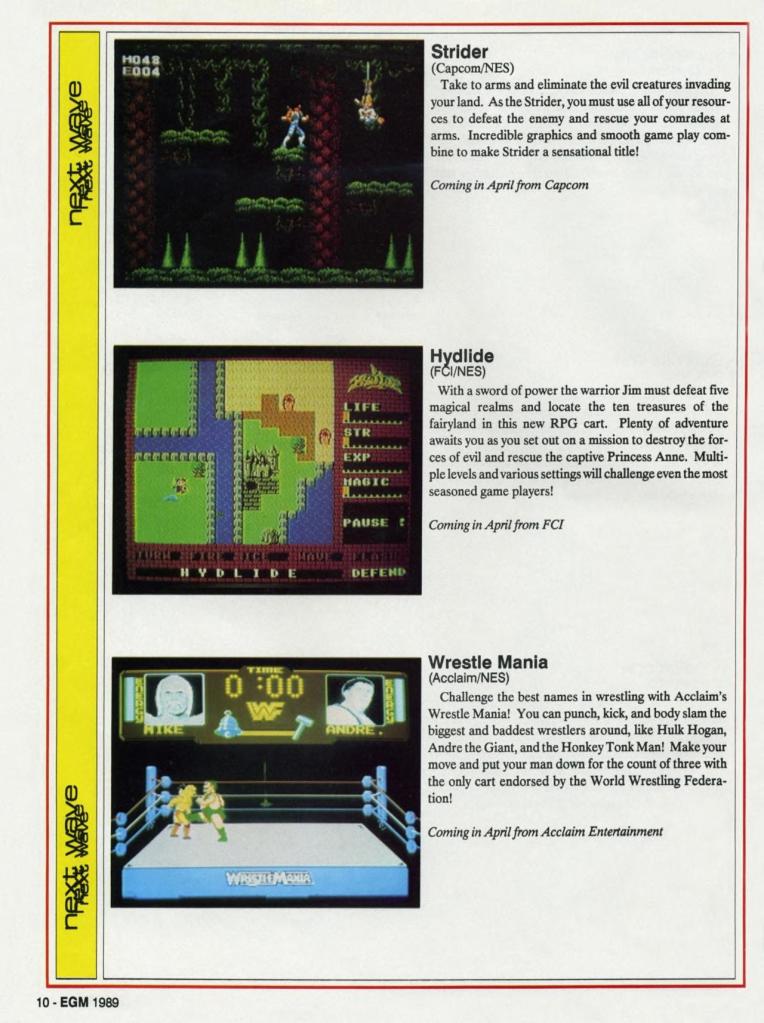
Preview for Hydilide. EGM mentions the protagonist’s name as being “Jim” which would seemingly be the result of the game’s North American localization. This is not actually the case. The protagonist is also called Jim across Hydilide‘s various Japanese console and PC releases (PC-6001mkII, PC-8801, MSX, NES) and even the game’s opening text is in English. Source: Electronic Gaming Monthly No.1 (May 1989)
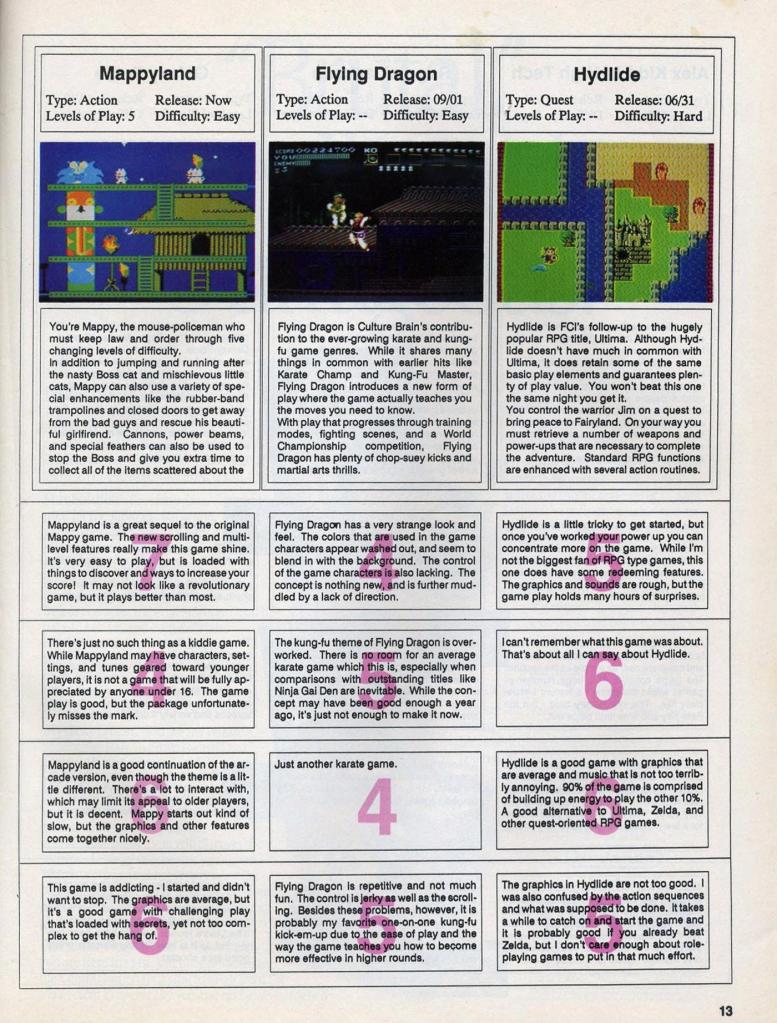
Review of Hydilide. Hydilide was originally released in Japan by T&E Soft in 1984. The game, however, would not arrive to North America until 1989 when it was localized by the American branch of the Fujisankei Communications Group, Fujisankei Communications International, commonly known as “FCI.” The late release of Hydilide in North America led reviewers to criticize the game for its seemingly outdated game play especially compared to Nintendo’s The Legend of Zelda (1986). As a result, in North America, Hydilide achieved nowhere near the same reputation it did in Japan. Source: Electronic Gaming Monthly No.2 (July 1989).
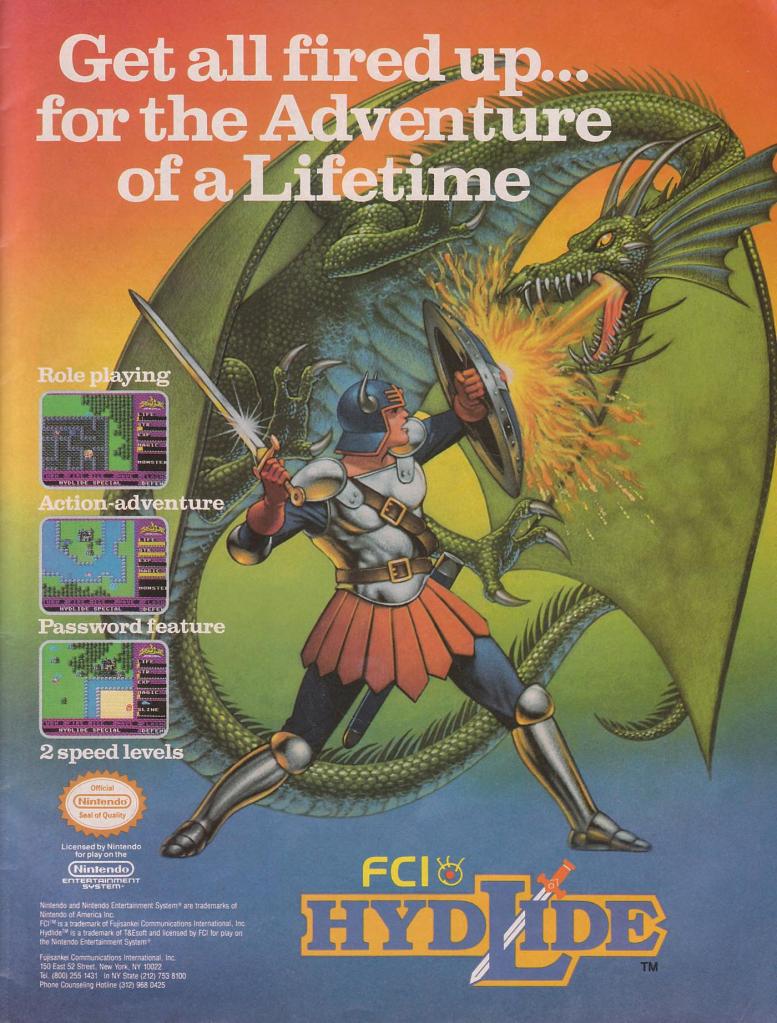
Advertisement for the Japanese Role-Playing Game Hydilide. Source: Electronic Gaming Monthly No.3 (September – October 1989).
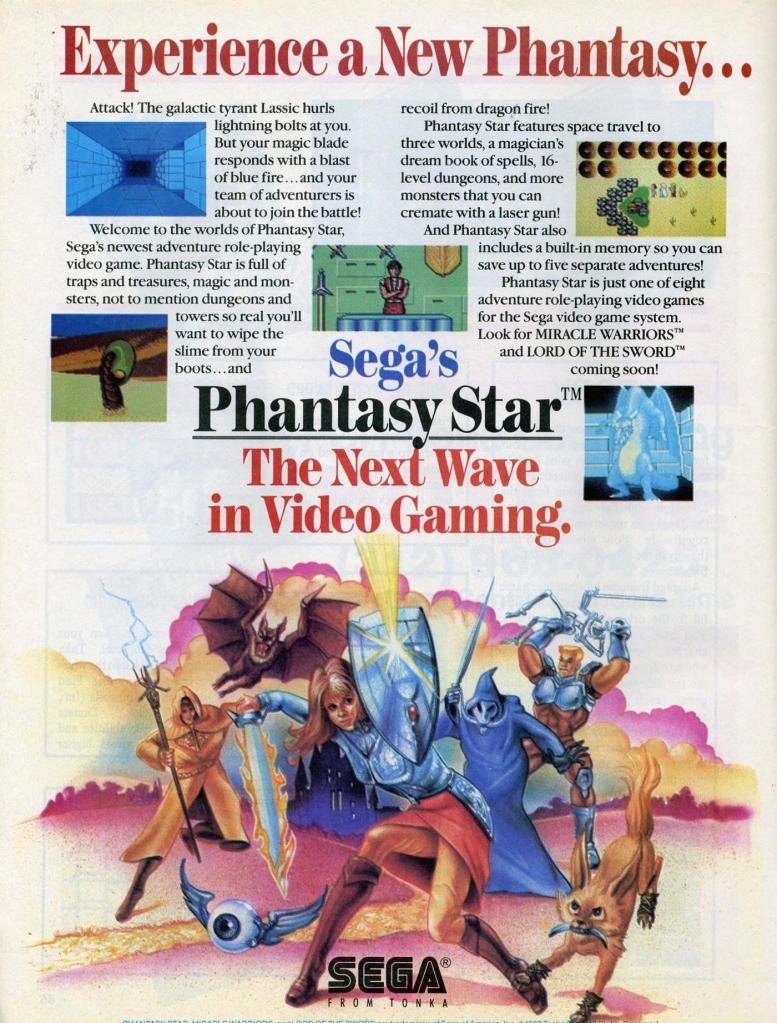
Advertisement for Phantasy Star (Sega, 1987). While Sega was responsible for distributing Phantasy Star in Japan, North America, and Europe, they took different approaches for the game’s advertisement in each region, notably, the game’s artwork style (see advertisement below). In particular, North American advertisements and box-art of this era tended to emphasize action while also erasing any traces of Japanese origin in attempt to make products culturally odorless and thus more palatable. Source: Electronic Gaming Monthly No.3 (September – October 1989).
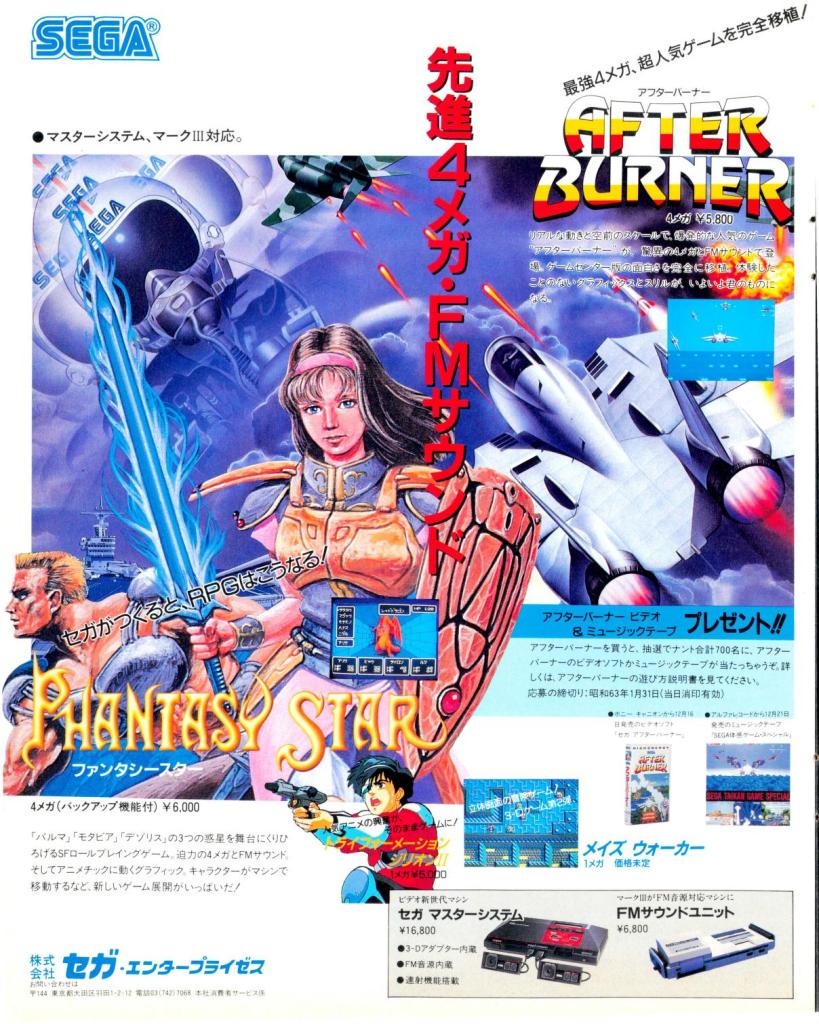
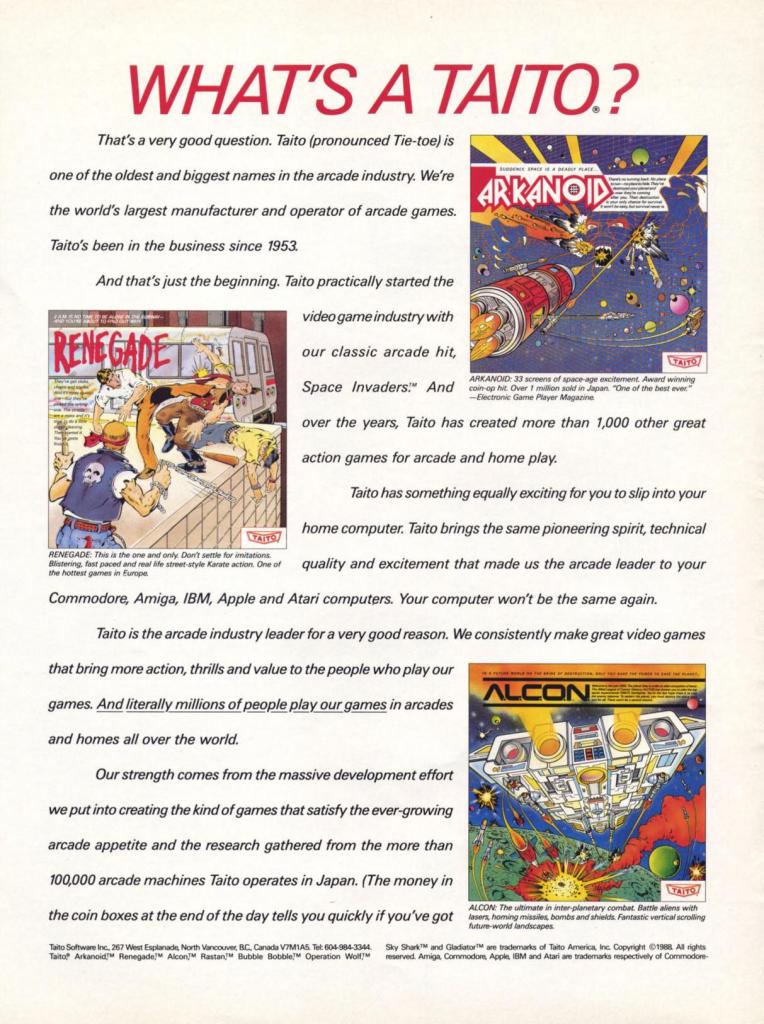
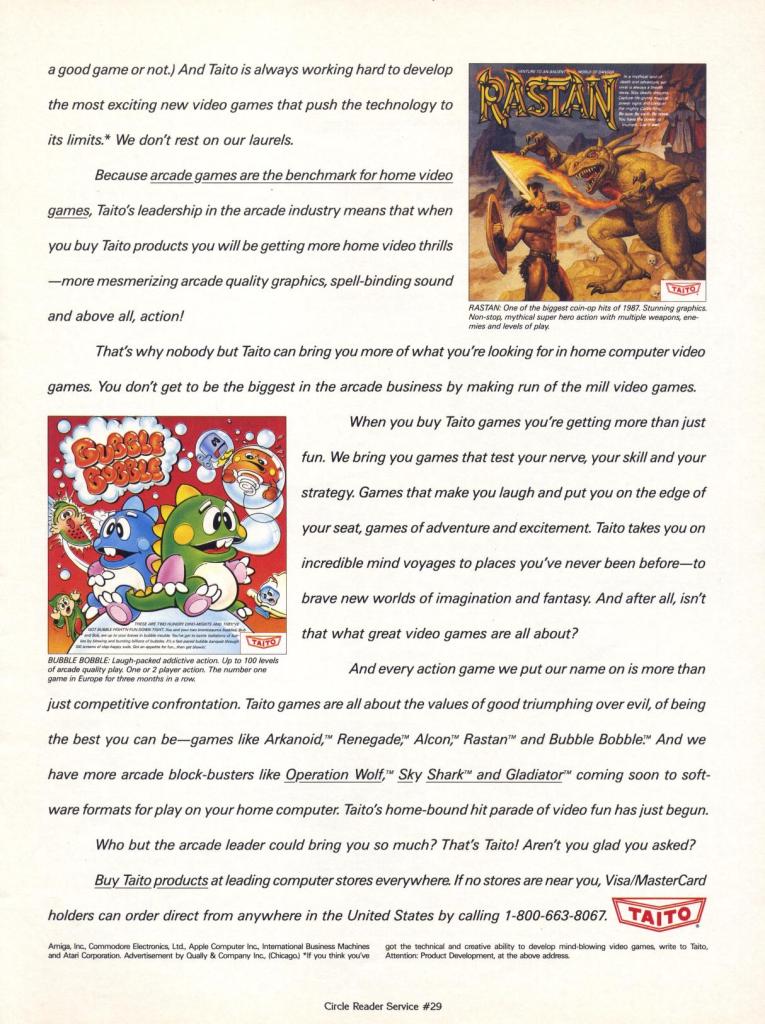
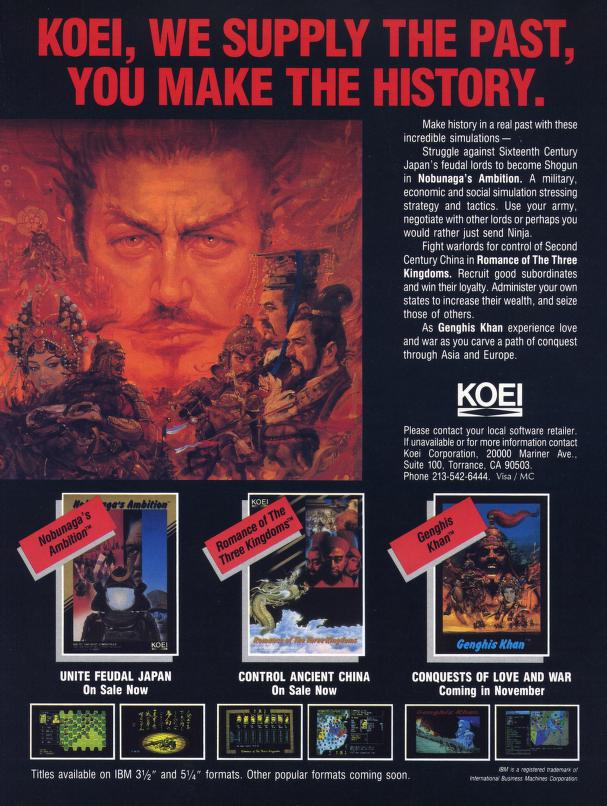
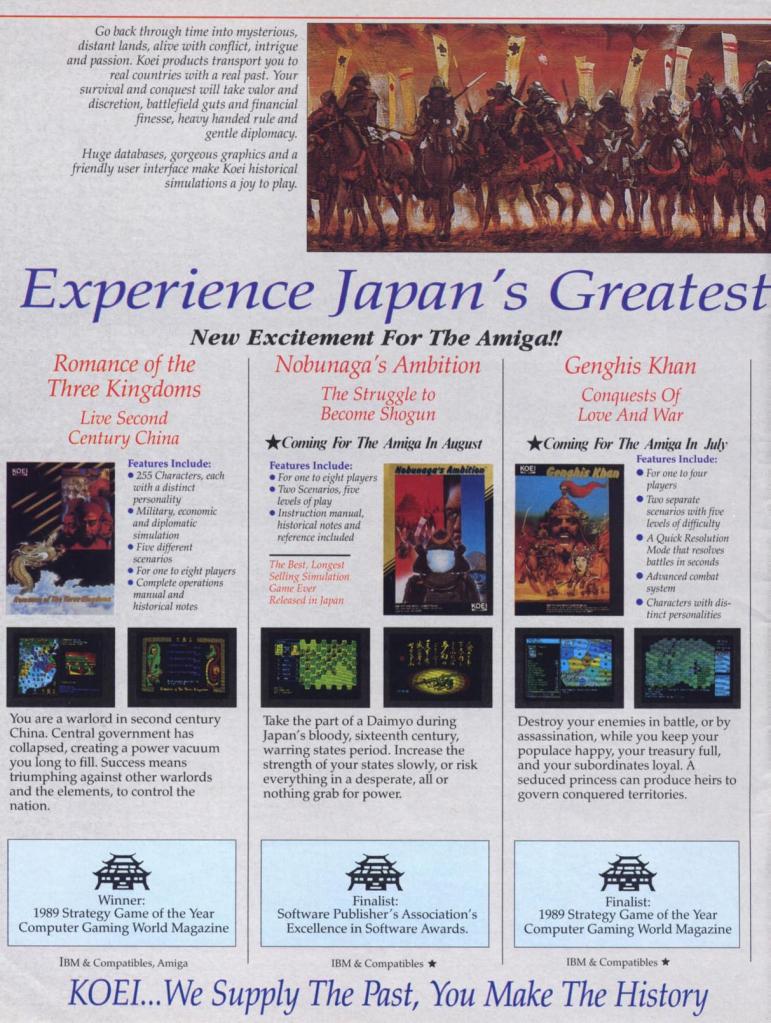
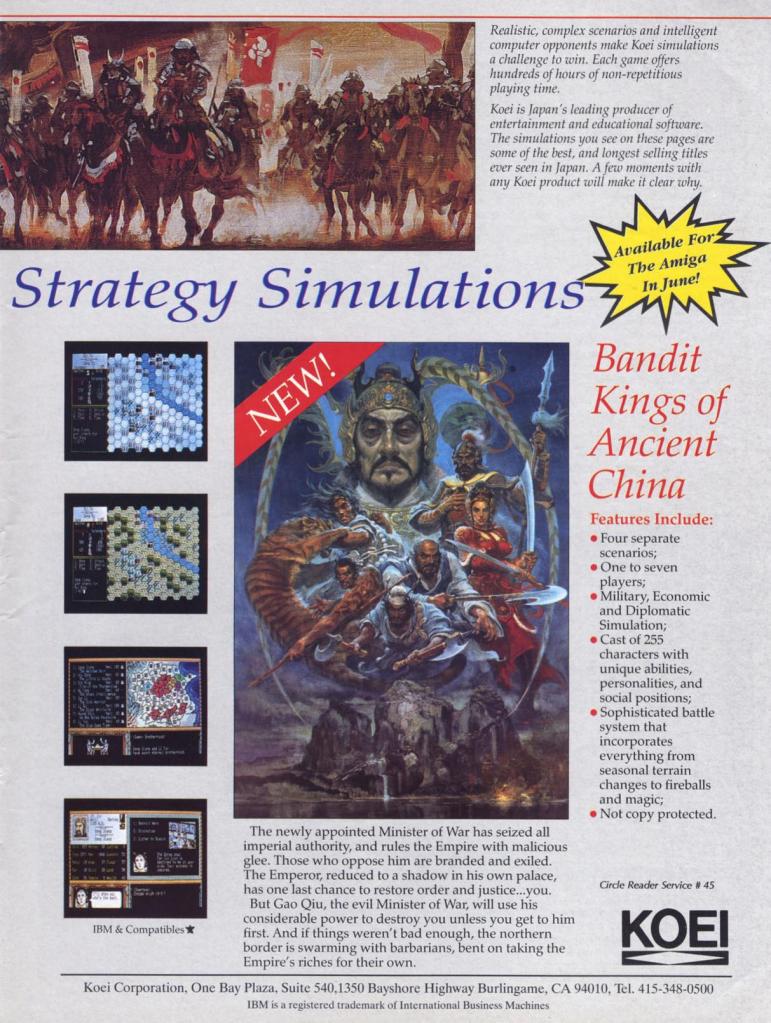
Japanese advertisement for Phantasy Star. Source: Bi-Weekly Famitsu, No. 39 (December 25th, 1987)“What’s A Taito?” An article from Computer Gaming World providing an overview of legendary Japanese game developer Taito. Given that PC releases of Japanese games rarely saw localization in North America (Koei’s lineup of strategy titles are one of the exceptions), Computer Gaming World seldom covered Japanese games. Despite first and foremost being an arcade developer, it seems that Taito attempted to break into the PC market through ports of their arcade titles. Source: Computer Gaming World, No. 50 (August, 1988)
Source: Computer Gaming World No. 52(October 1988)
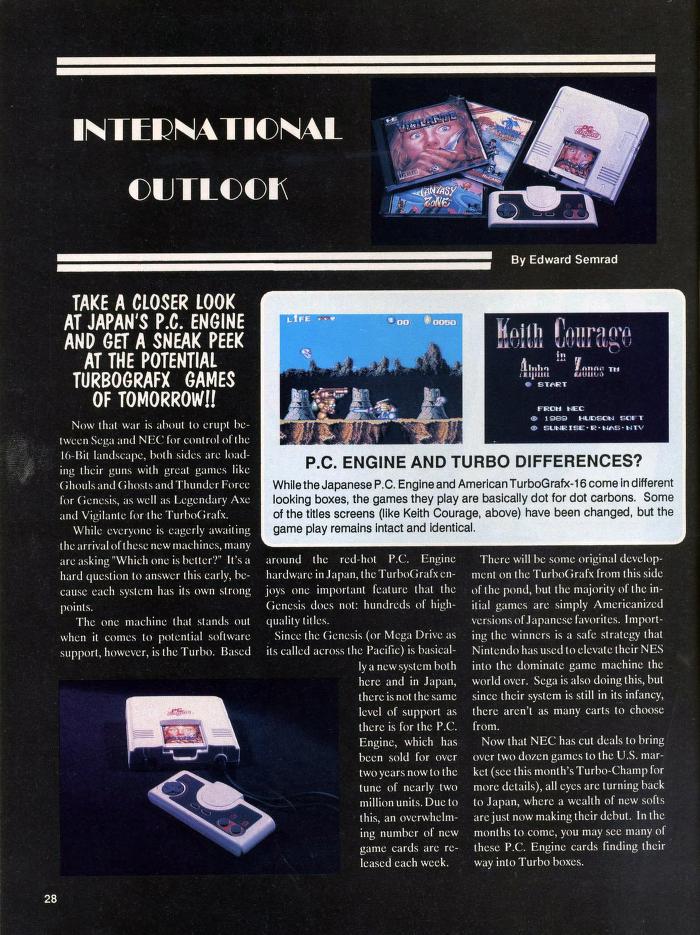
“International Outlook.” The PC Engine is explicitly referenced as being Japanese in origin. Here, it’s being compared to the TurboGrafx-16 which is what the console was called in North America and Europe. Source: Electronic Gaming Monthly No. 4 (November 1989)
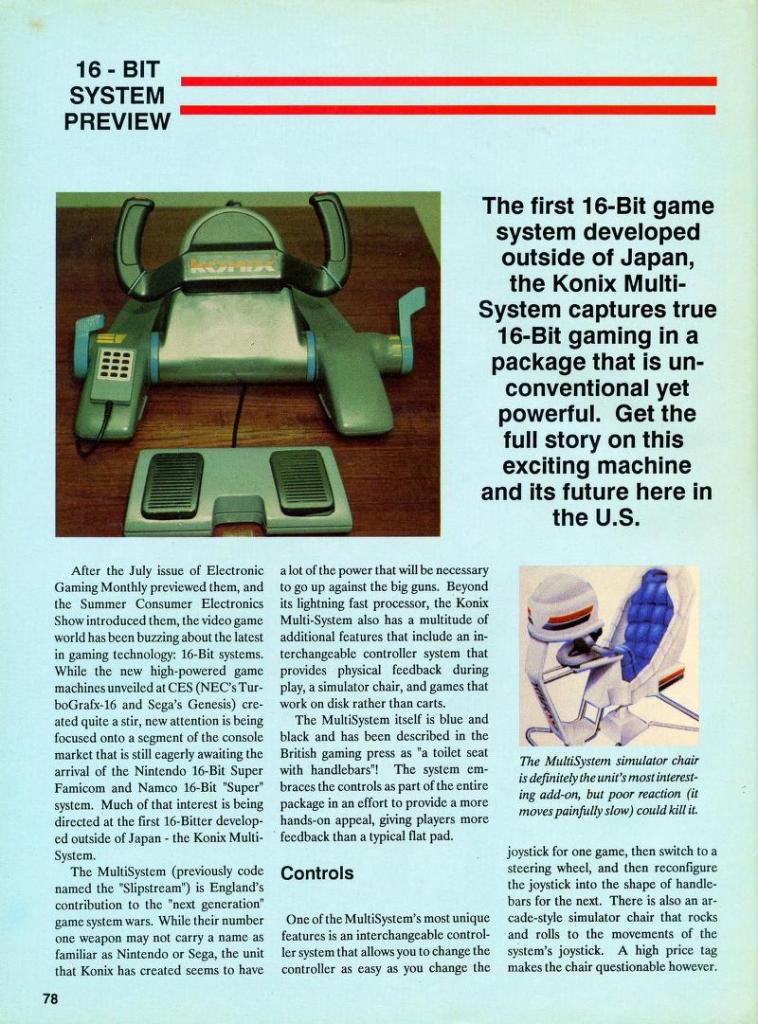
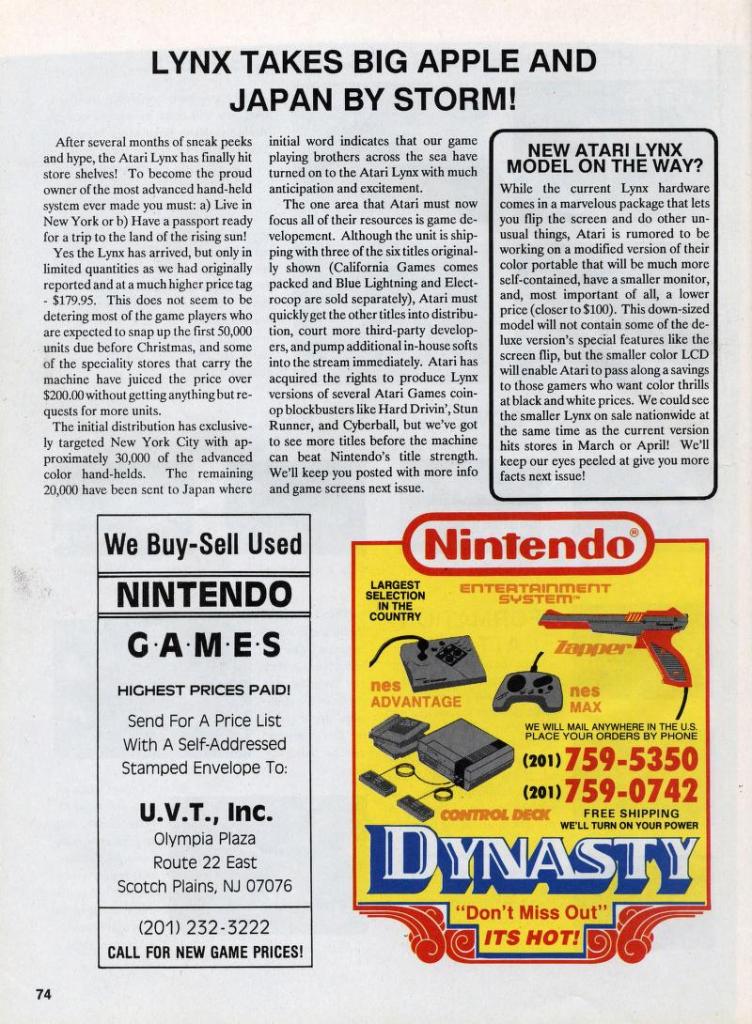
The Konix Multisystem. Developed by British computer manufacturer Konix, the Konix Multisystem sought to compete with other Japanese 16-bit consoles such as the Super Famicom and Megadrive. However, financial trouble prevented the console from ever being fully developed and released. Source: Electronic Gaming Monthly No.5 (December 1989)“Lynx Takes Big Apple and Japan By Storm!” A report on the success of the Atari Lynx. As the article explains, the initial release of the Lynx was limited to New York City, and then more vaguely, Japan, leaving one to wonder how specifically was this run of Lynx distributed abroad. Source: Electronic Gaming Monthly No. 6 (January, 1990)Source: Computer Game World No. 73 (July 1990)
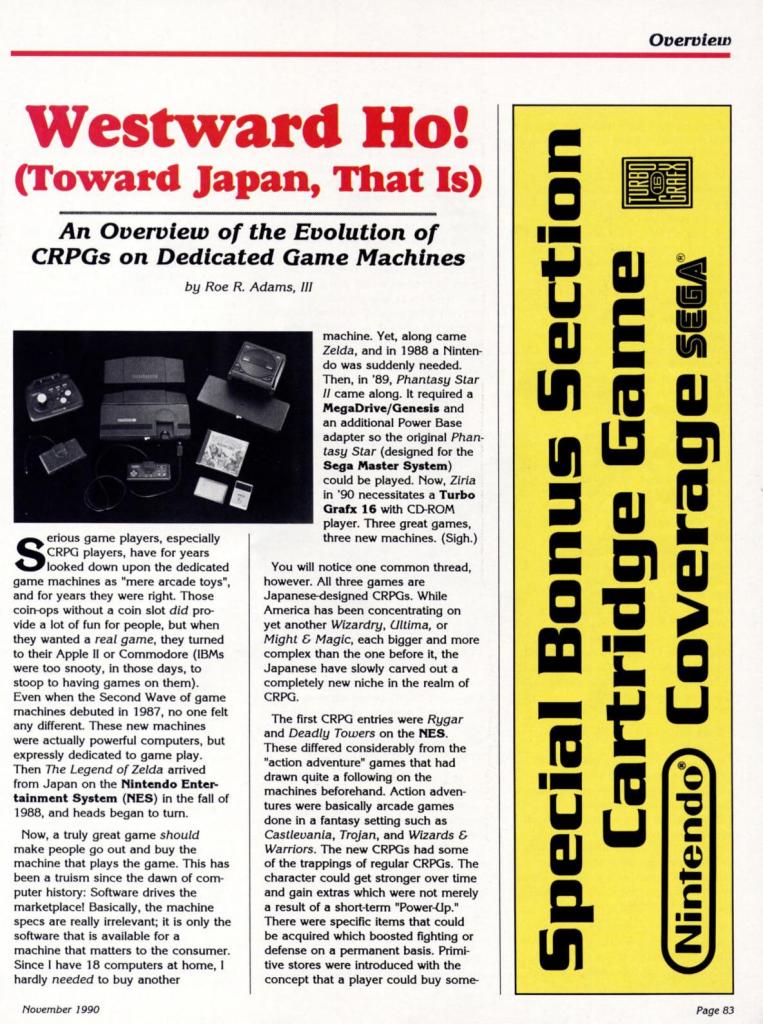
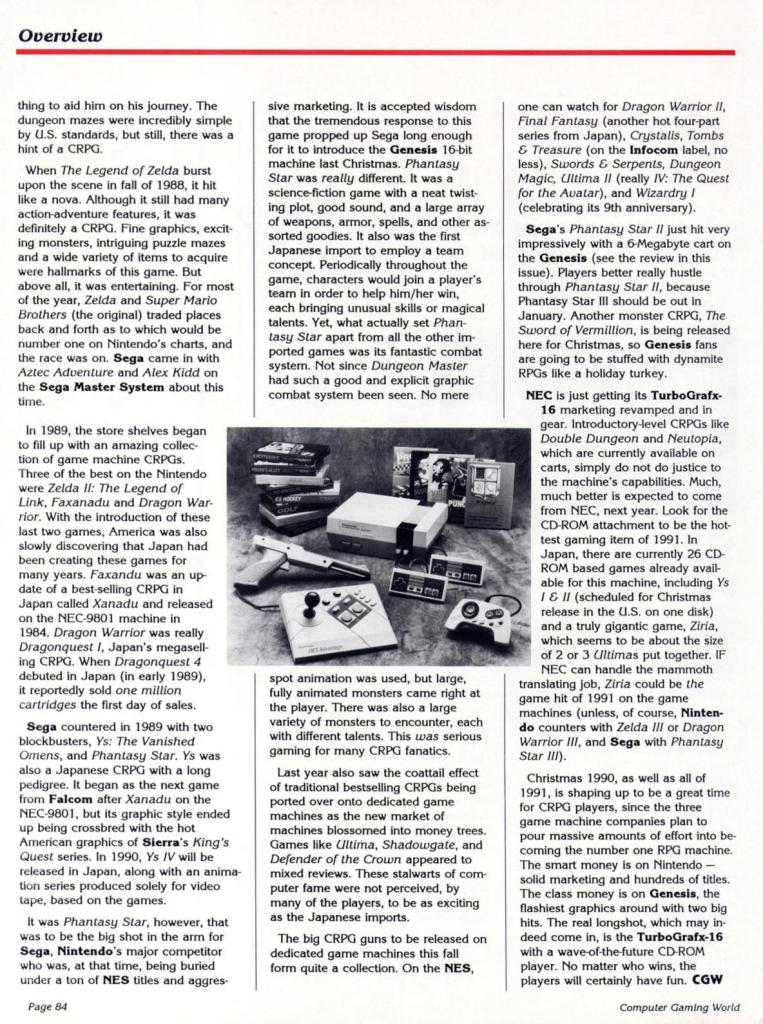
“Westward Ho! (Towards Japan, That Is).” An overview of Japanese console-exclusive RPGs. The author Roe R. Adams, III was an extremely notable figure in both the RPG and anime communities. Adams was a co-designer on Ultima IV: Quest of the Avatar (Origin Systems, 1985), helping to design the “Eight Virtues,” the game’s morality system. Alongside Robert Woodhead of Wizardry fame, Adams would go on to establish the Japanese anime localization company, AnimEigo.
Of note in this article is that Adams groups JRPGs under the category of “CRPGs” which stands for “Computer/Console Role-Playing Games.” Adams is not wrong, but thirty years later, it seems that the term “CRPG” is exclusively used in reference towards WRPGs which emerged from the computer market, such as Fallout (Interplay Production, 1997) and Baldur’s Gate (BioWare, 1998). Untroubled by sub-genre distinctions, Adams champions the plethora of titles, both American and Japanese, that were being released across consoles and PCs. Source: Computer Gaming World No. 76 (November, 1990)
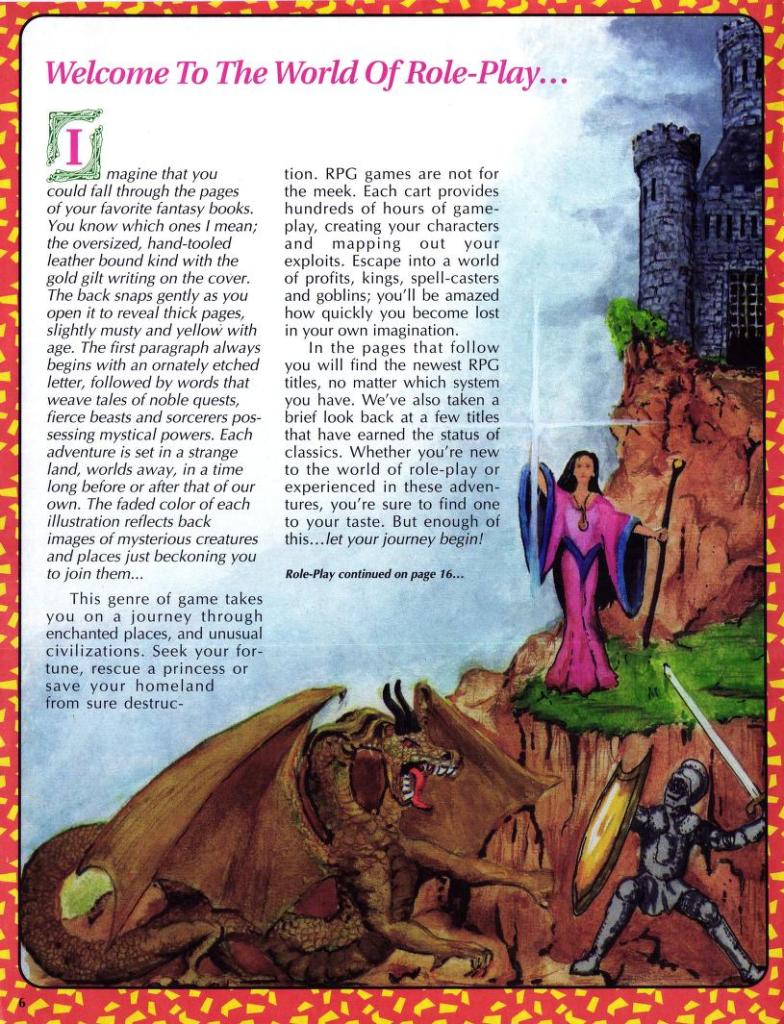
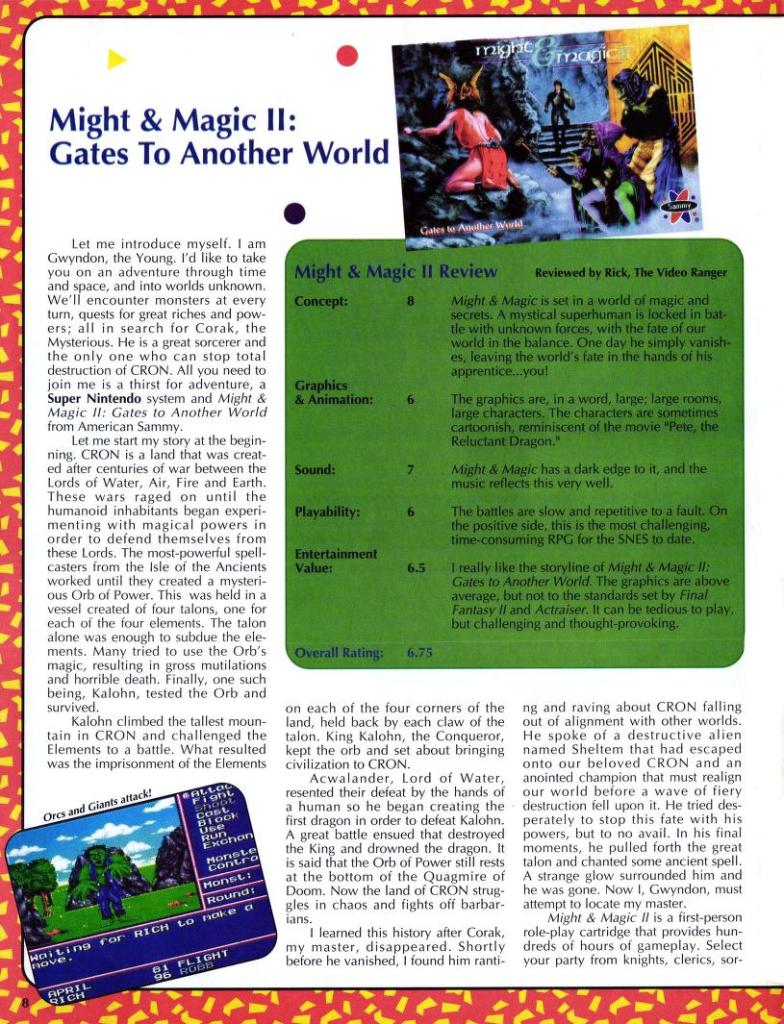
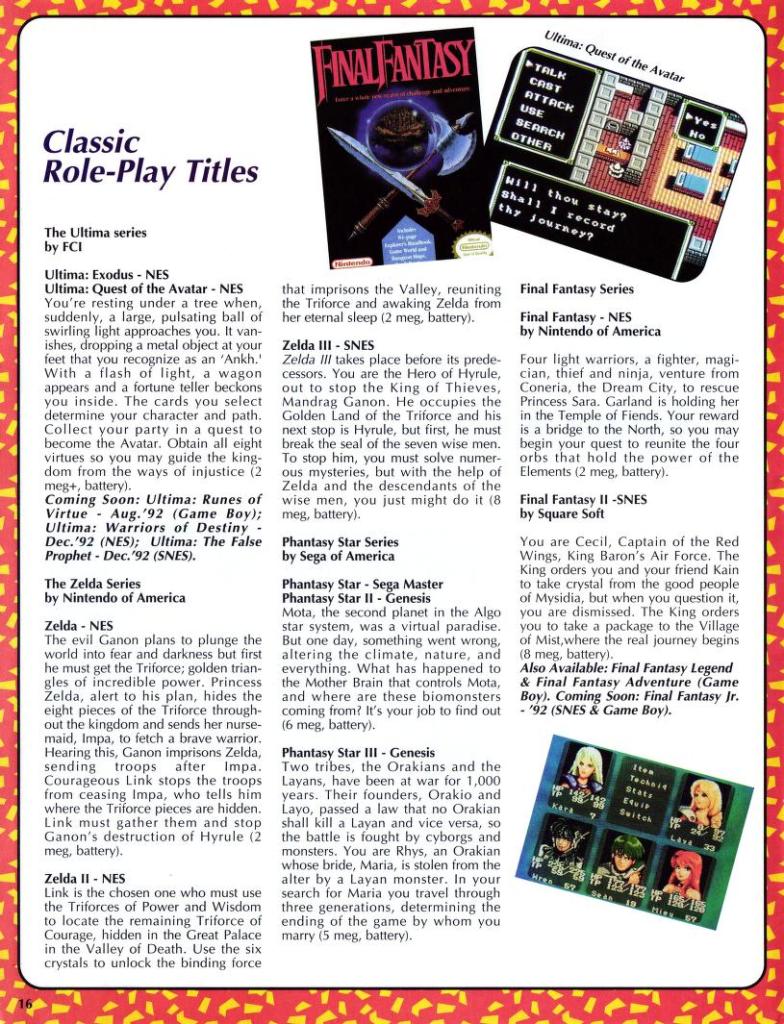
“Welcome to the World of Role-Play.” An overview of then current RPGs. Although the introductory text does not explicitly divide RPGs between Western and Japanese RPGs, the feature itself does. Reviews of WRPGs, such as Might & Magic II: Gates To Another World (New World Computing (1988) and Pool of Radiance (Strategic Simulations, 1988) follow one another with JRPGs being bundled together on the final page with the label of “Classic Role-Play Titles.” Curiously, this includes a few Ultima games. While Ultima was American in origin, its port to home consoles were handled by FCI. Source: Game Informer No.5 (Summer 1992)
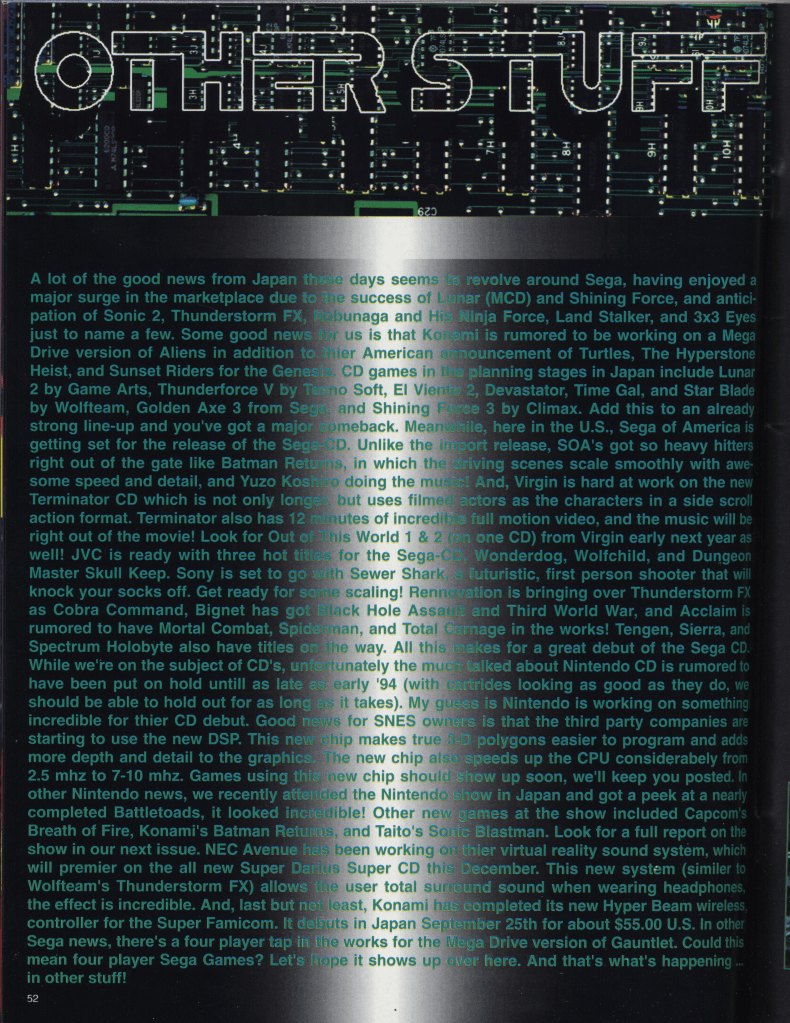
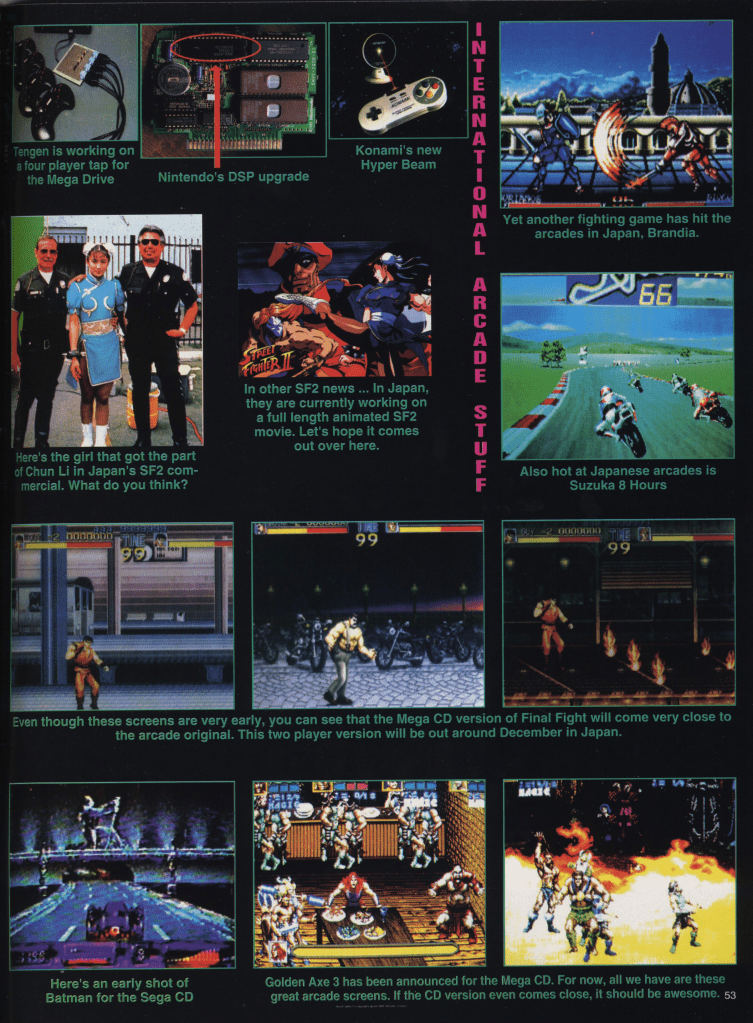
Game Fan’s “Other Stuff” Column which focused on news and previews of Japanese games and media. Source: Game Fan No. 1 (October, 1992)
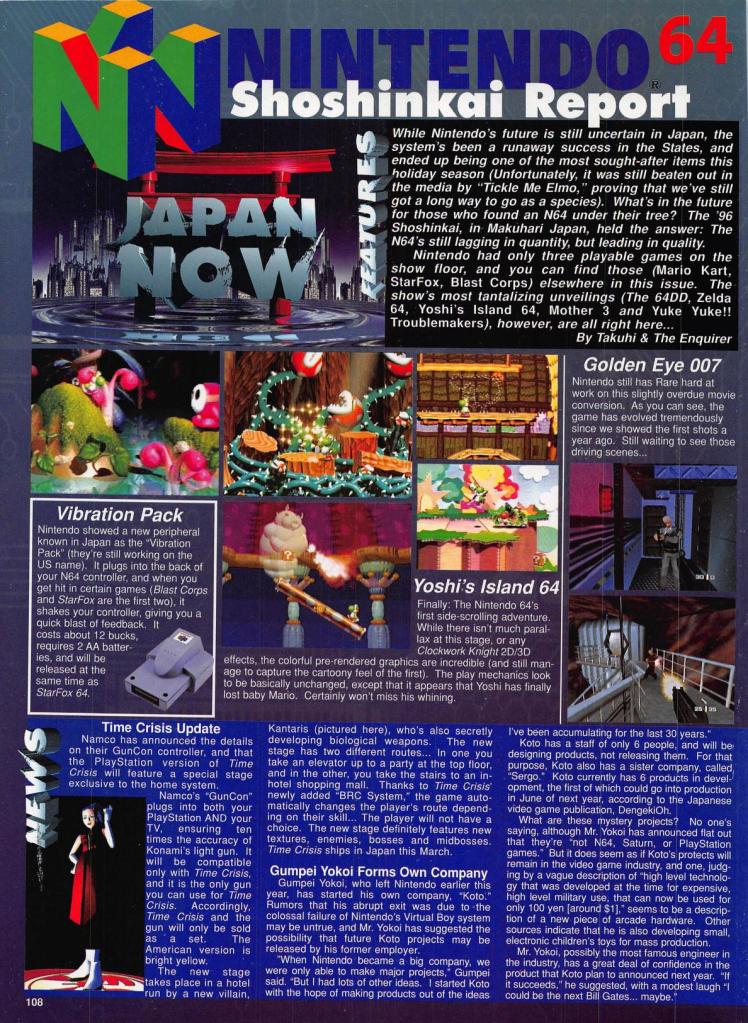
A report on Nintendo’s “Shoshinkai” event, later known as “Nintendo Space World.” Source: Game Fan No.2 (February 1997).
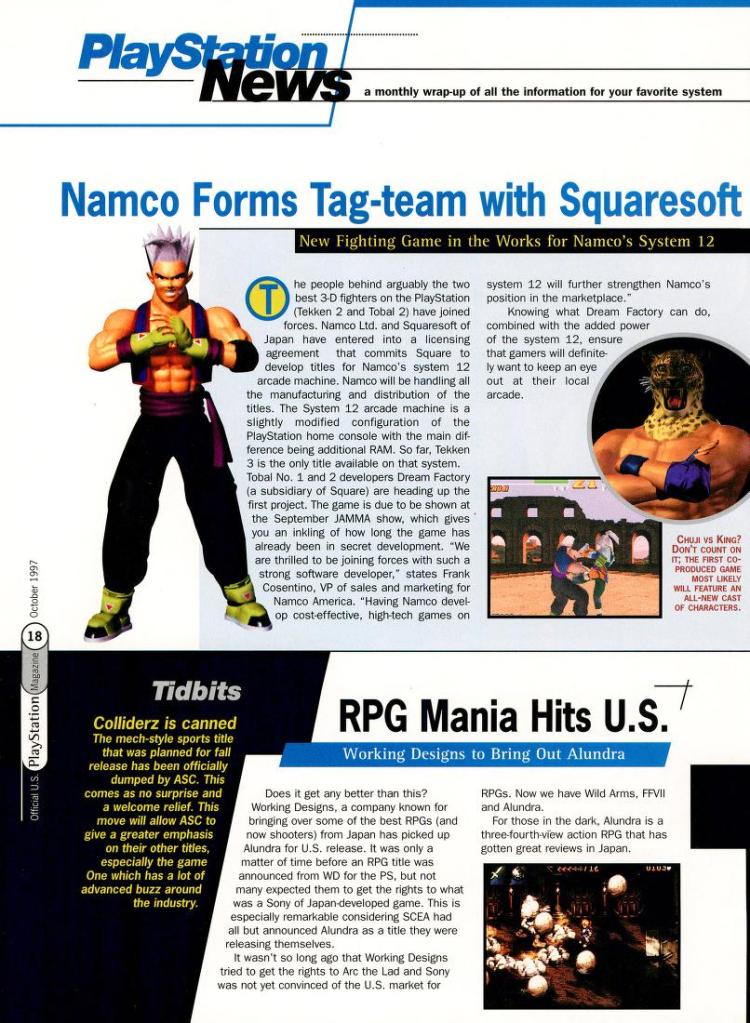
“RPG Mania Hits U.S.”: An article covering Working Designs’ localization of Alundra (Matrix Software, 1997). Working Designs were a rather infamous localization group throughout the 1990s known for not only bringing beloved cult RPGs but for also injecting their games with references to American politics and culture. Source: Official U.S. PlayStation Magazine No.1 (October 1997)
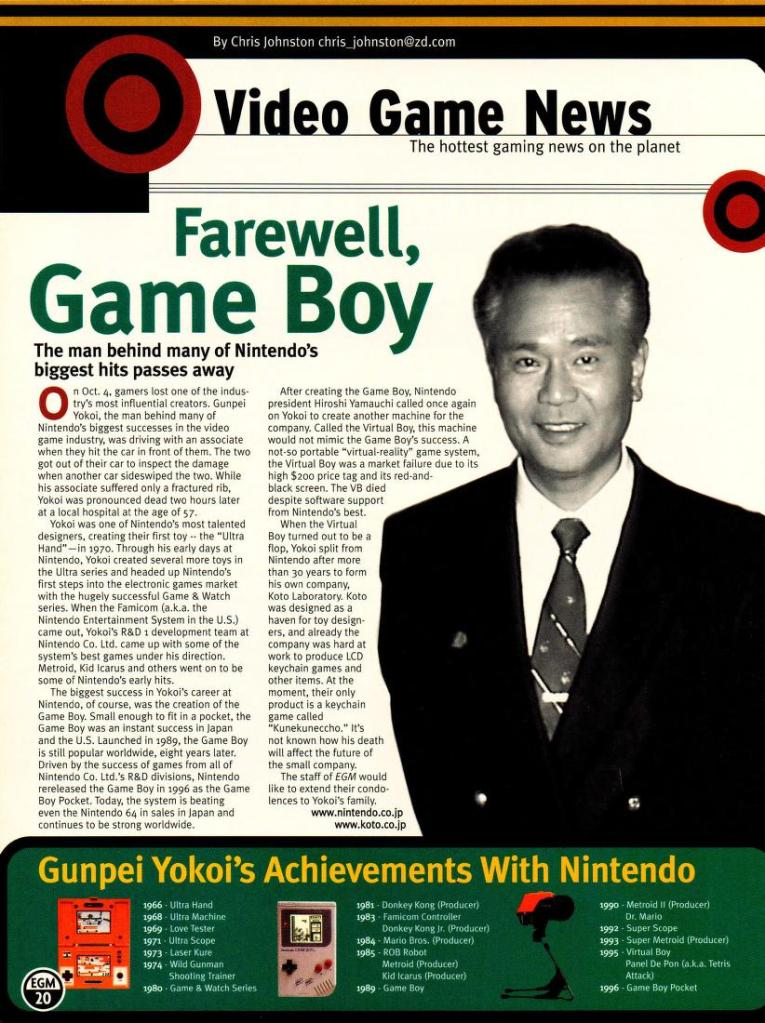
An obituary for Japanese video game and toy designer, Gunpei Yokoi. Source: Electronic Gaming Monthly, January 1998.
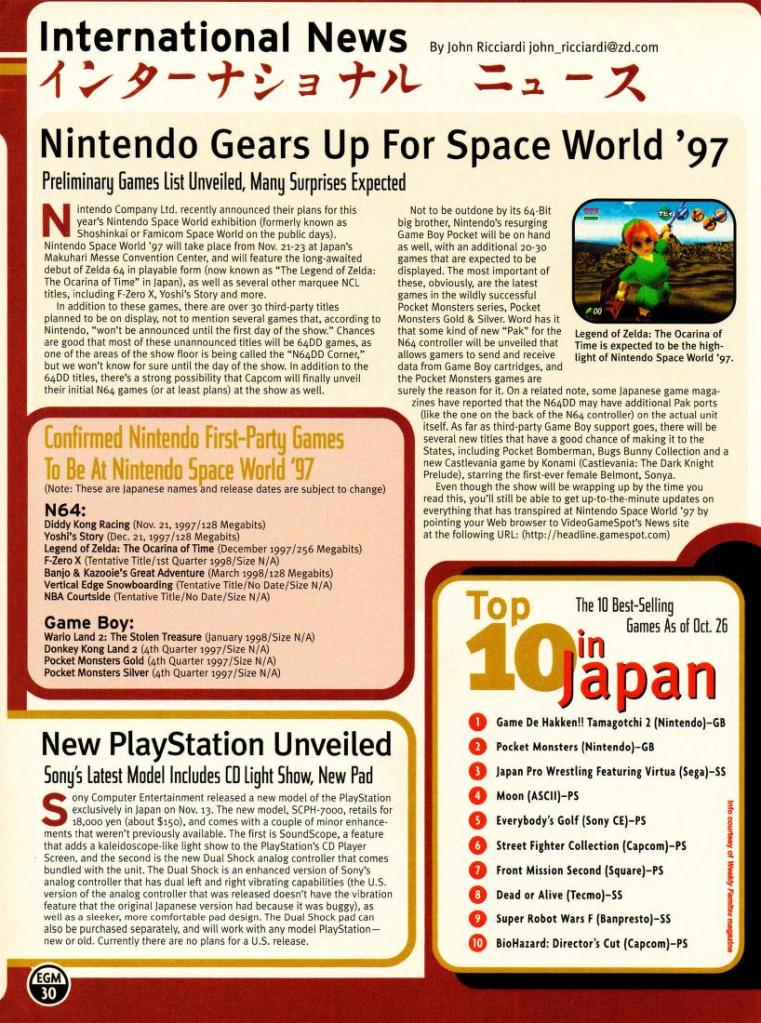
“International News.” John Ricciardi’s column in EGM which includes news, previews, and the top 10 best-selling games in Japan. Notable in this list are several RPGs including the original Pokemon (Nintendo, 1996) which continued to sell extremely well despite already being two years old, Moon: Remix RPG Adventure (Love-de-Lic, 1998), Love-de-Lic’s experimental RPG; Front Mission 2 (G-Craft, 1997) and Super Robot Wars F (Winkysoft, 1997), coincidentally, two mecha games which were never localized. Source: Electronic Gaming Monthly, January 1998.
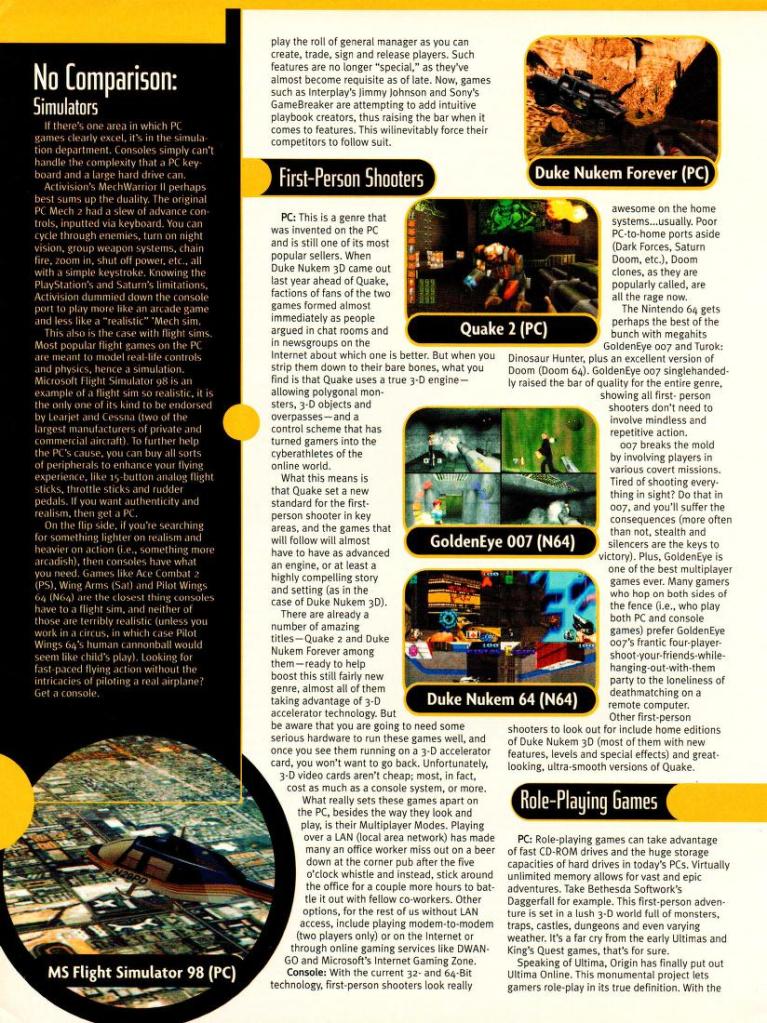
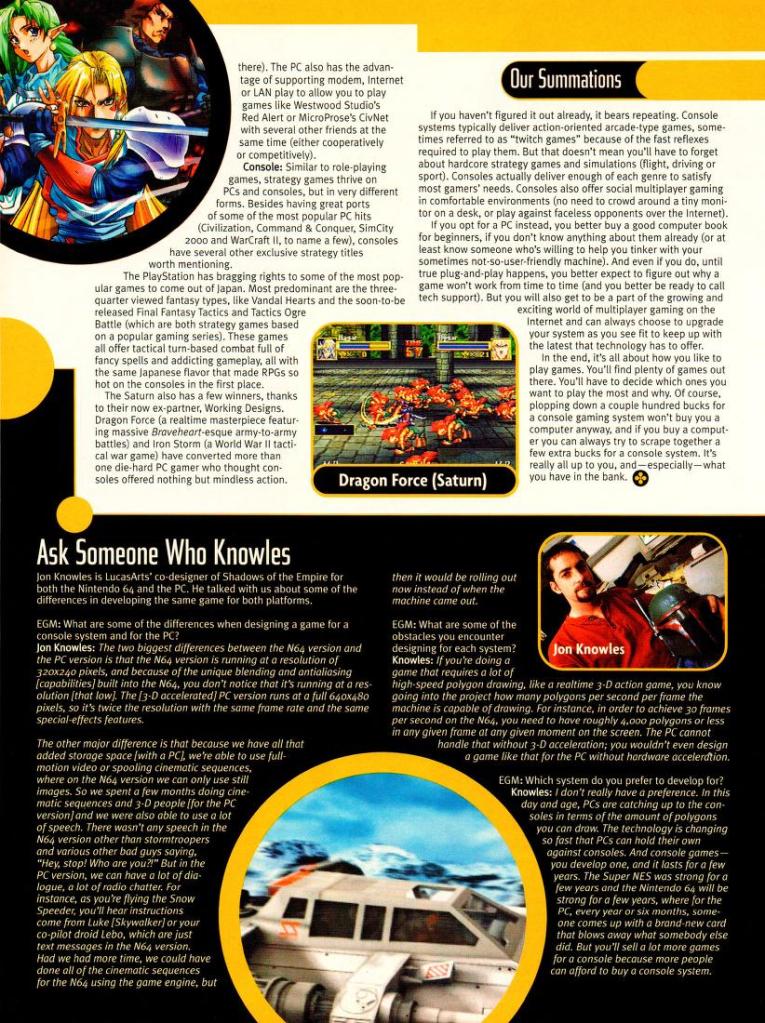
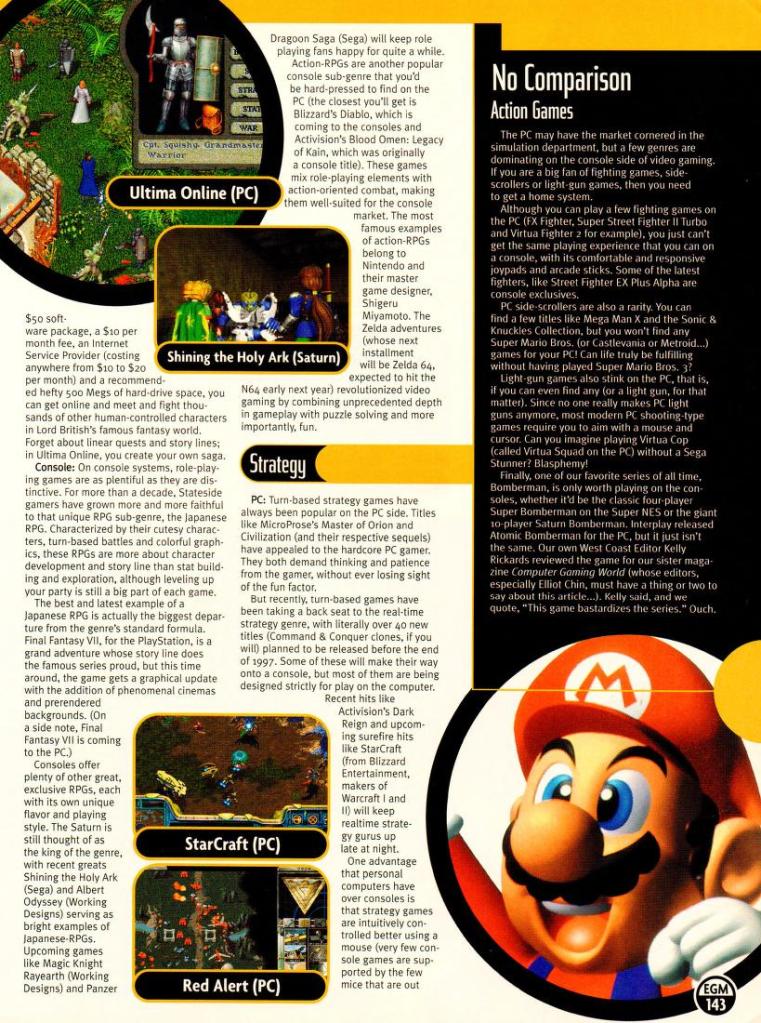
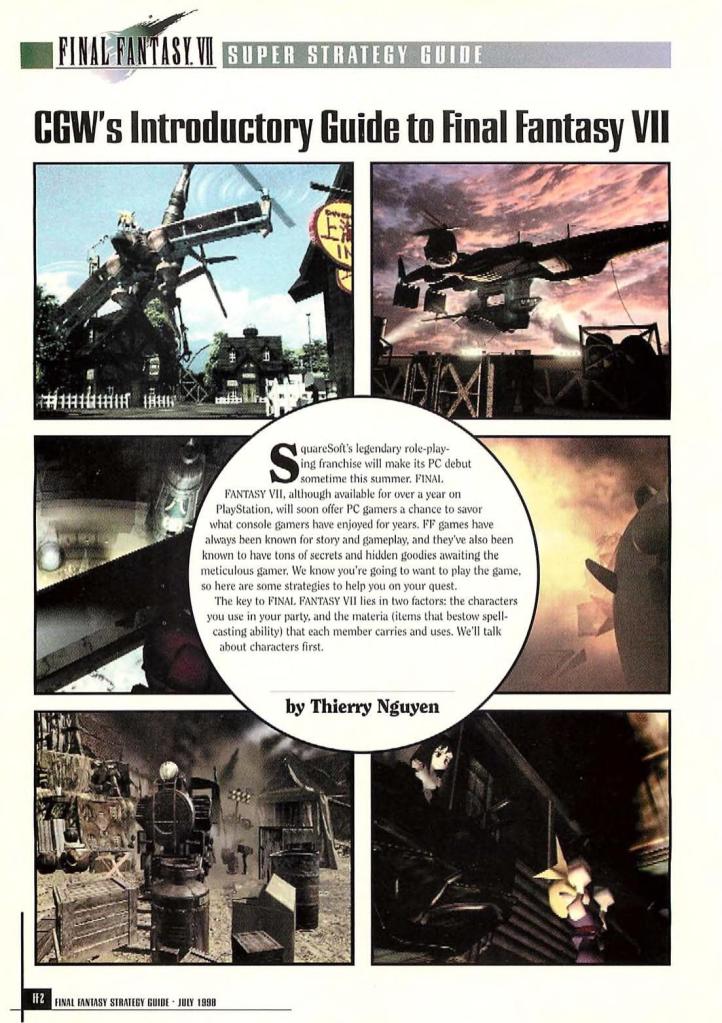
“Ways to Play.” An article focusing on which consoles are the best for which genres. On the subject of RPGs, PCs are the recommended platform for WRPGs such as Ultima Online (Origin System, 1997). In contrast, the article explicitly outlines Japanese RPGs as being dominant for home consoles and while it emphasizes the epic quality of Final Fantasy VII (Squaresoft, 1997) and Final VIII (Squaresoft, 1999) two games which would see a PC release, the article also admits that the Sega Saturn may be the “king of the genre.” See also Computer Entertainment Magazine (January 1990). Source: Electronic Gaming Monthly, January 1998.
“David Lynch to Create Game Content.” An article announcing a partnership between artist and filmmaker David Lynch and Japanese video game company Synergy Inc. Synergy had previously published two experimental computer games, Alice: An Interactive Museum (Synergy Inc., Toshiba EMI Ltd., 1991), and the aforementioned Gadget: Invention, Travel, & Adventure (1993), the latter being reputable enough to have impressed Lynch. However, despite Lynch’s enthusiasm, Woodcutters from Fiery Ships–the working title of the game–never saw fruition. Source:Computer Gaming World No. 168(July 1998)
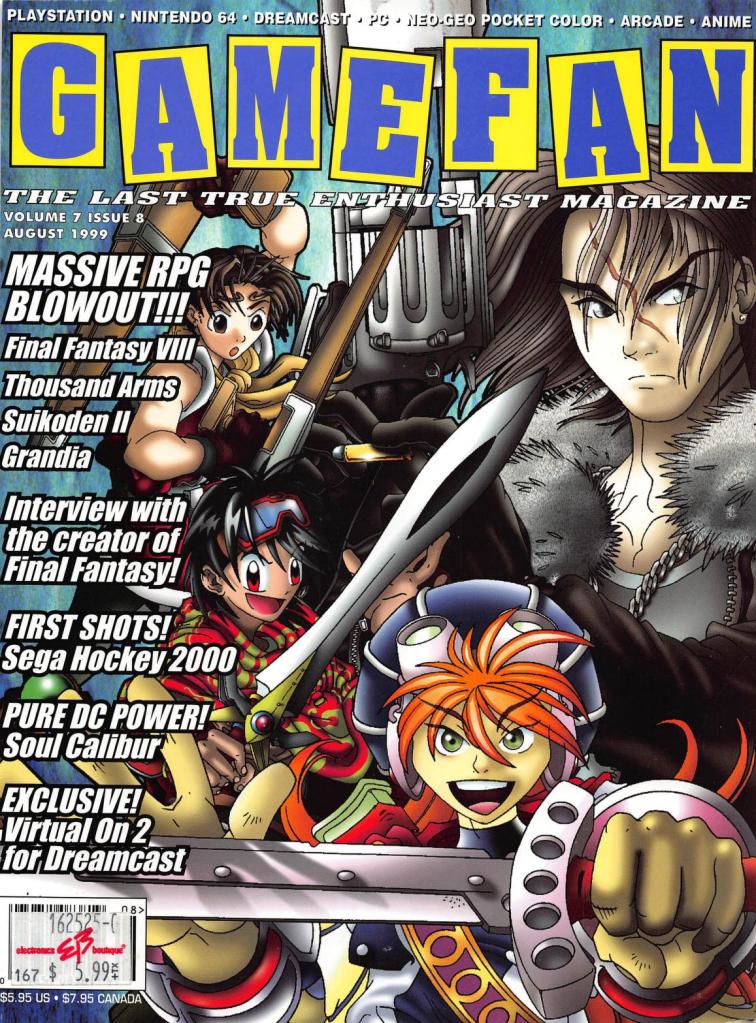
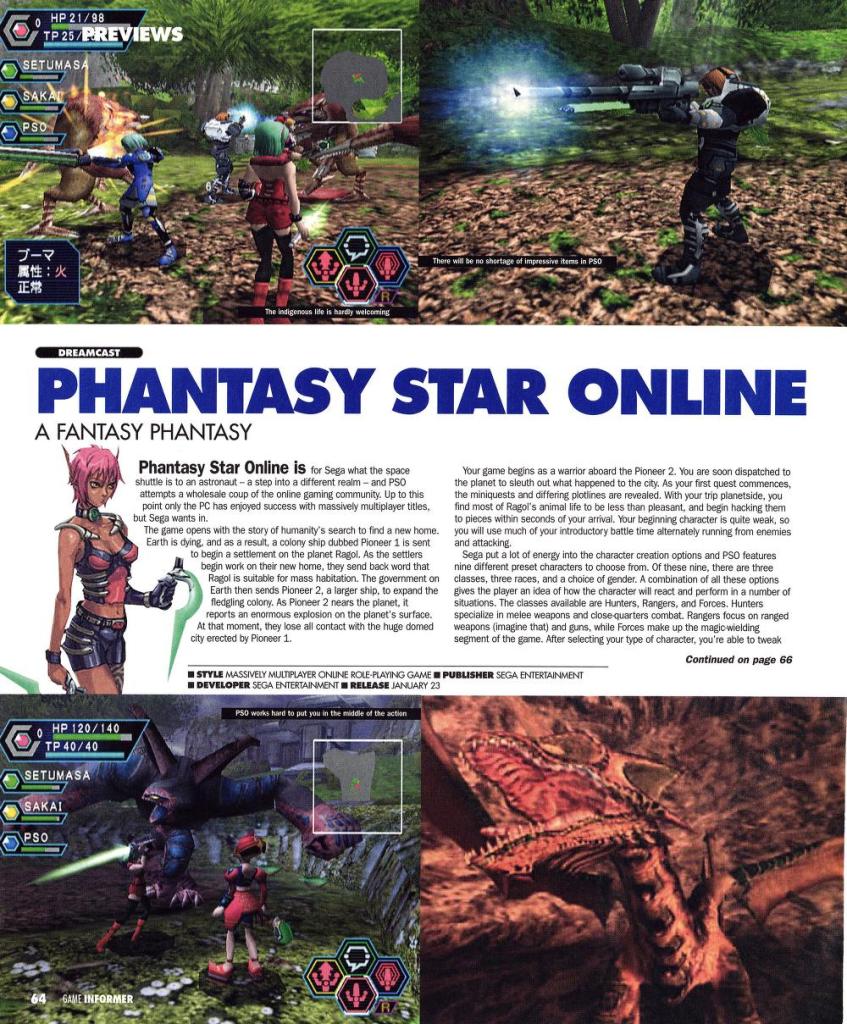
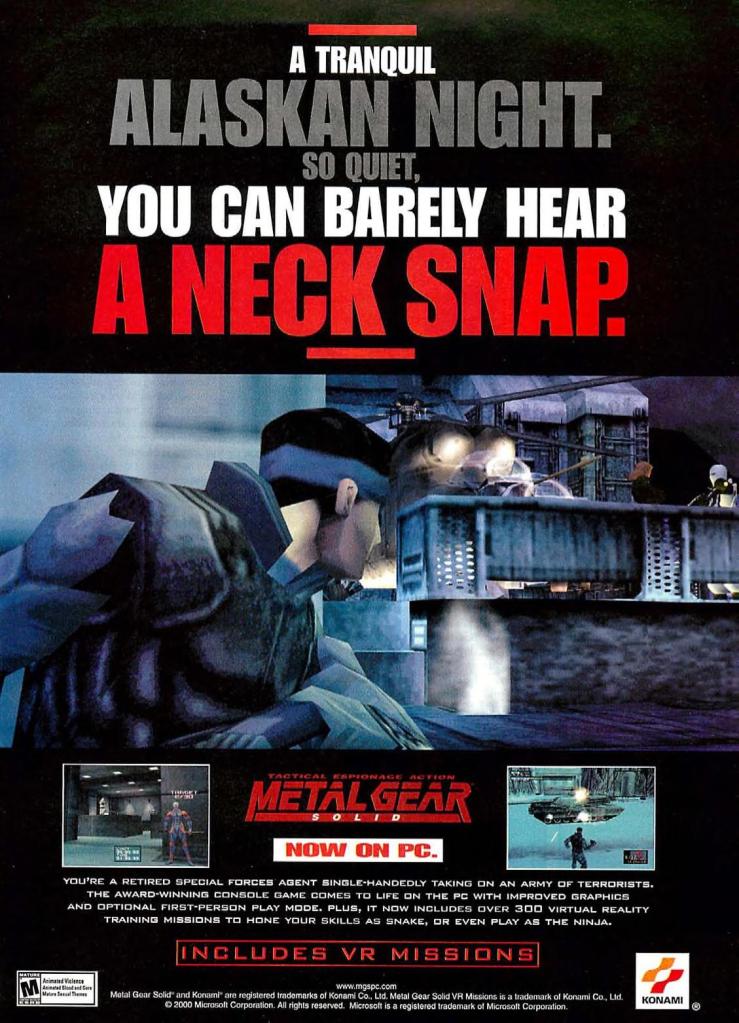
Source: Computer Gaming World No. 167(June 1998)Source: Computer Gaming World No. 168(July 1998)“MASSIVE RPG BLOWOUT!!!”As the new millennium approached, 1999 would see the localization of several high-profile Japanese titles, RPGs and otherwise. This particular issue of Game Fan covers Jade Cocoon: Story of the Tamamayu (Genki, 1998), Thousand Arms (TOSE, 1998)Grandia (Game Arts, 1999), Suikoden II (Konami Computer Entertainment Tokyo, 1998), Final Fantasy VIII (Squaresoft, 1999), Elemental Gimmick Gear (Birthday, 1999) and much more. Source: Game Fan (August, 1999)
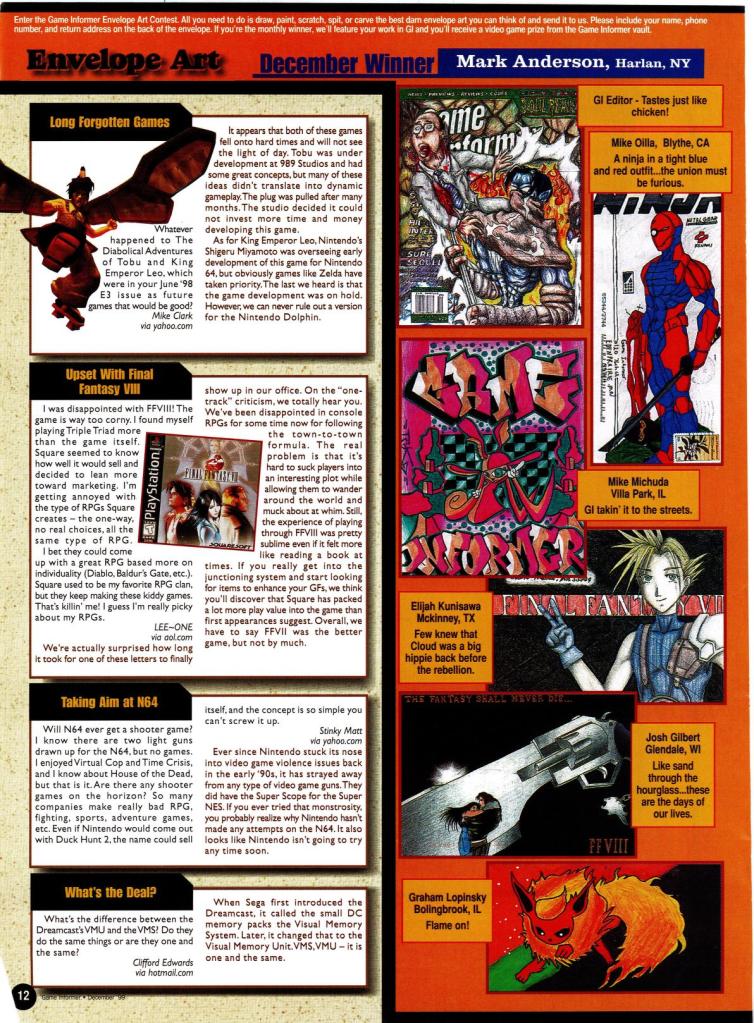
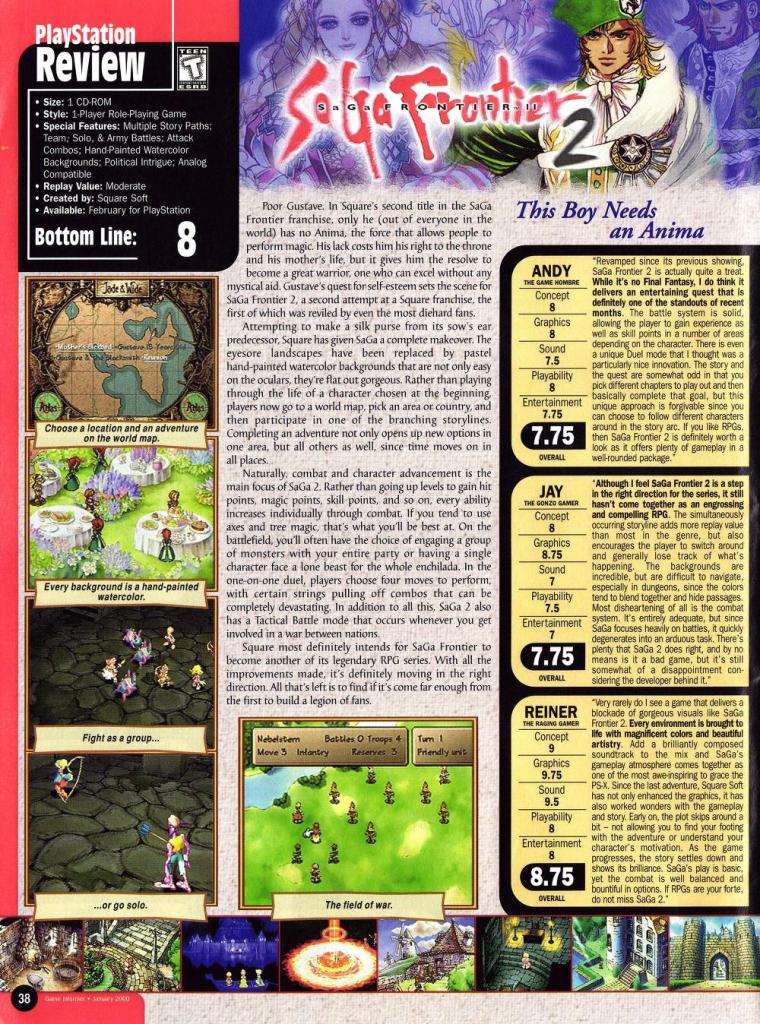
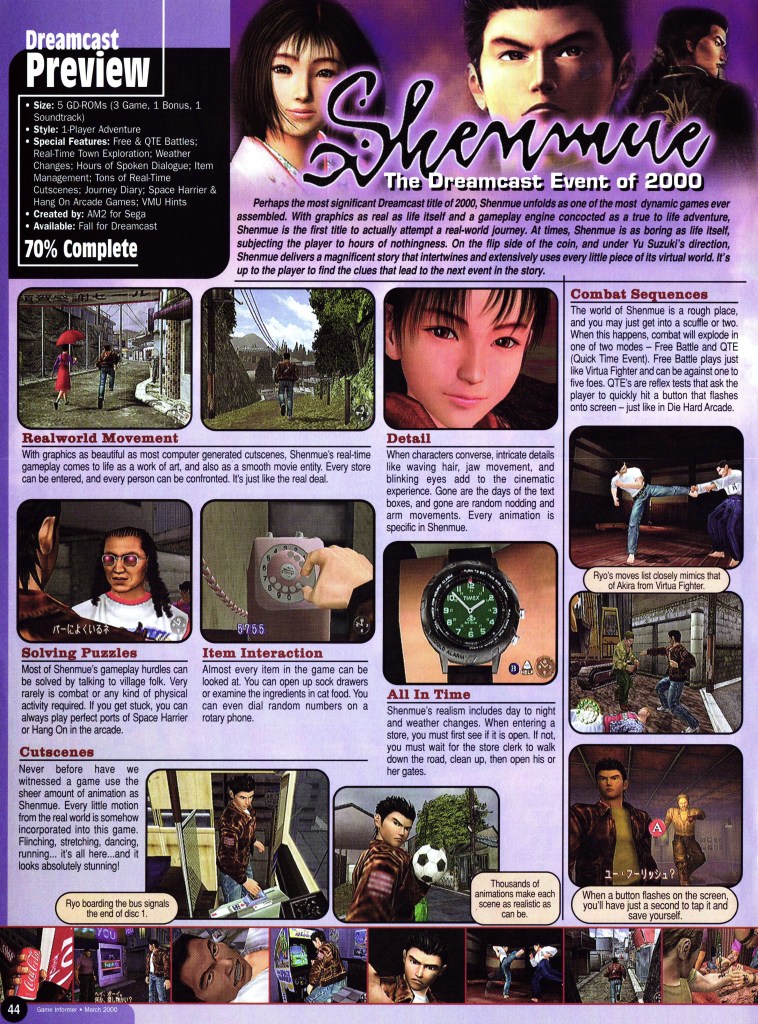
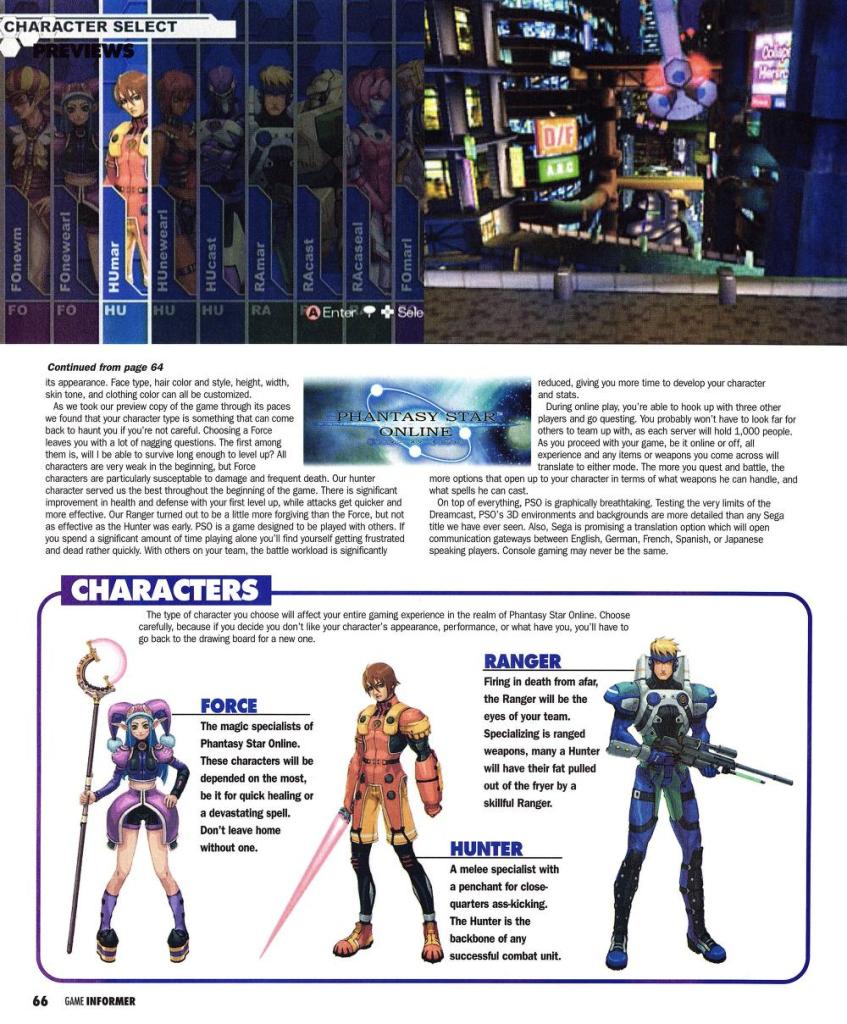
Source: Game Informer No. 80 (December 1999)Source: Game Informer No. 81 (January 2000)Source: Game Informer No. 82 (February 2000)
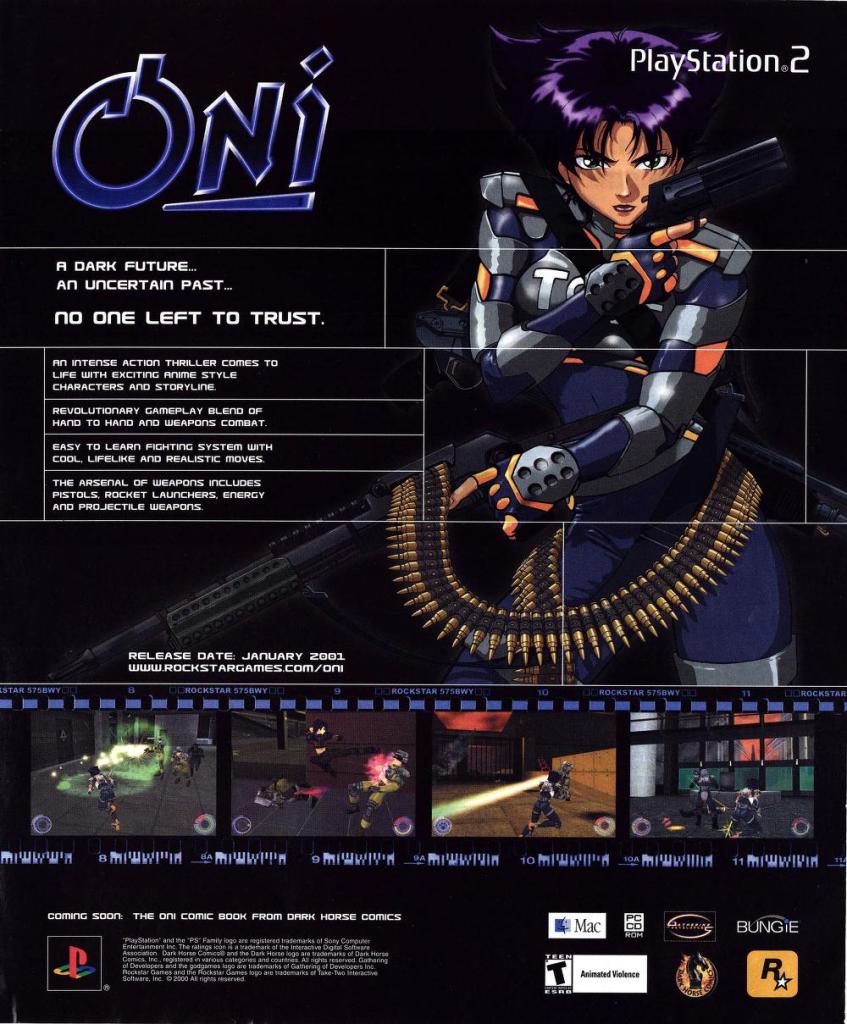
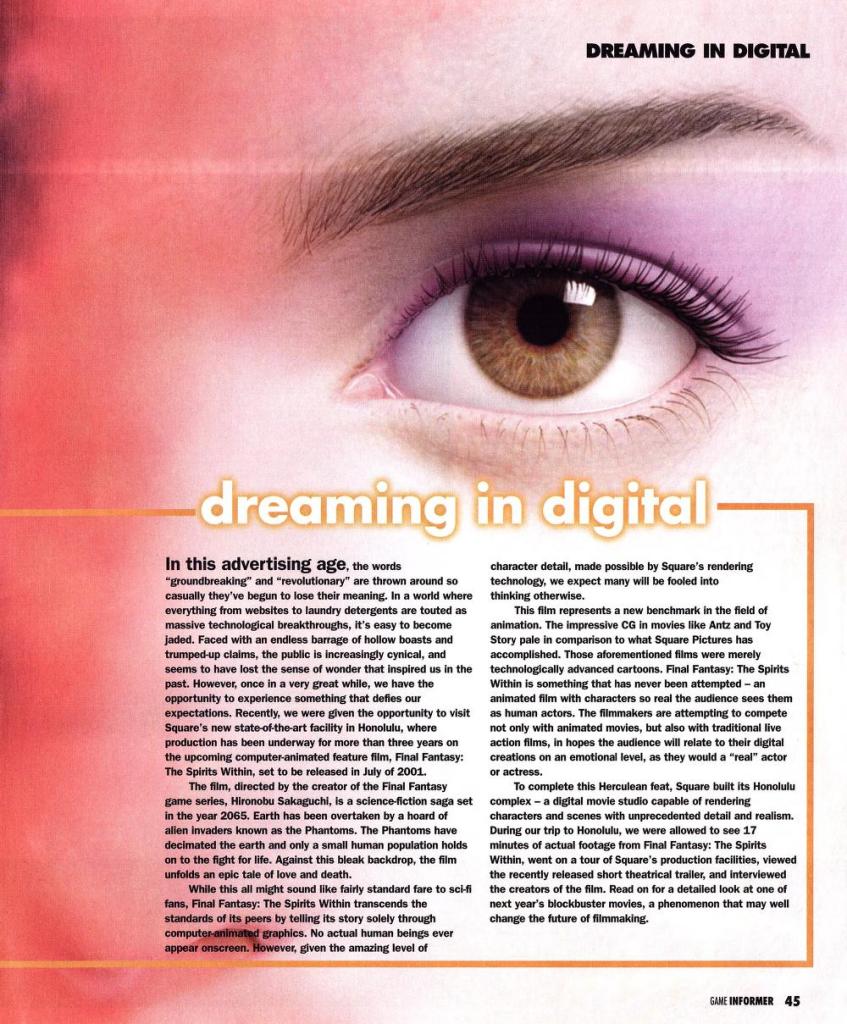
Source: Game Informer No. 93 (January 2001)
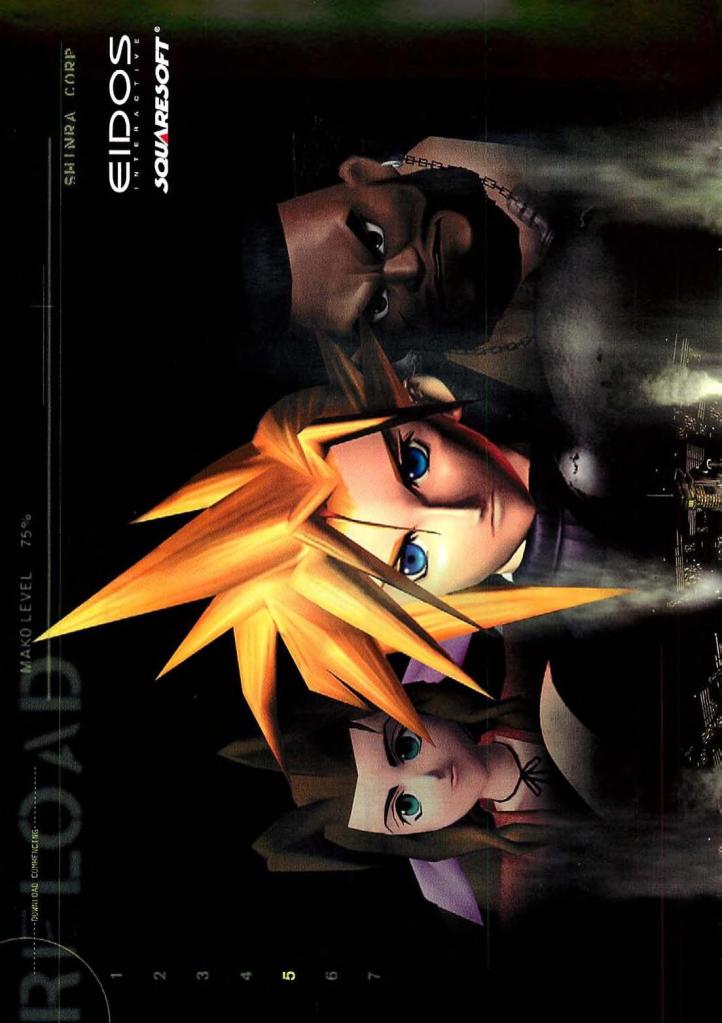
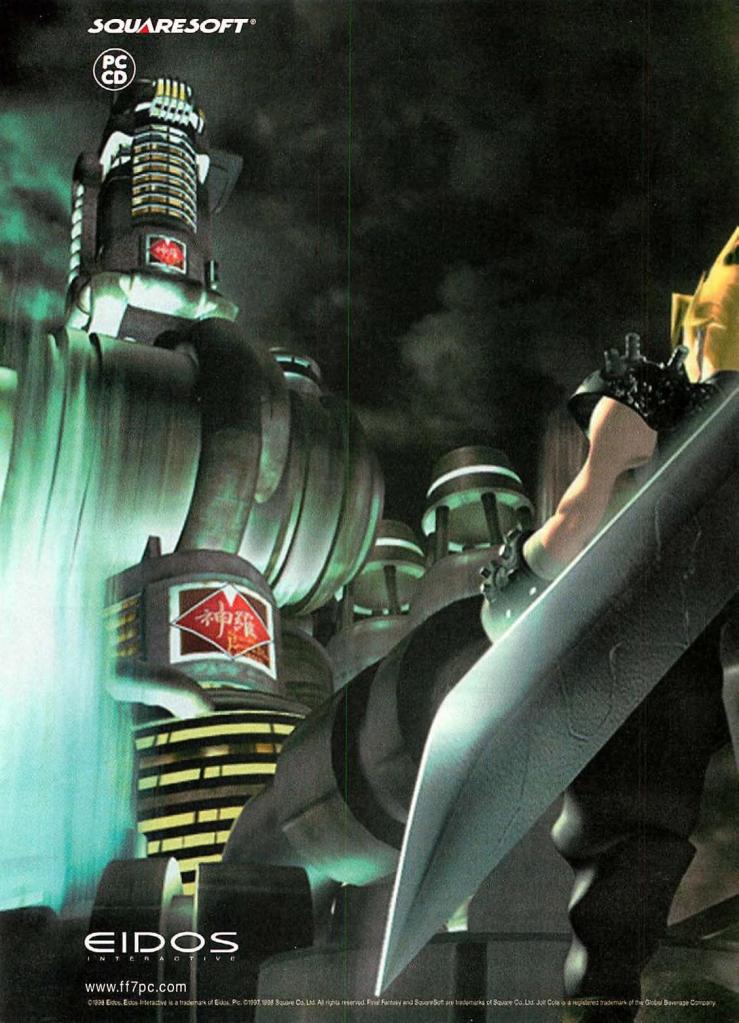
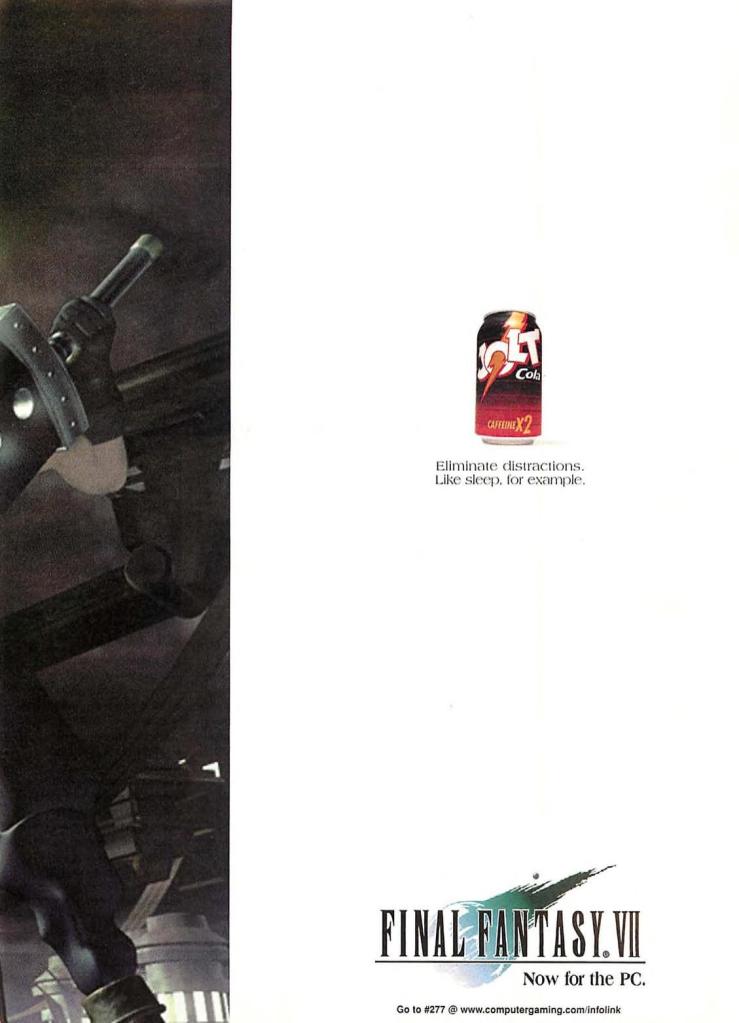
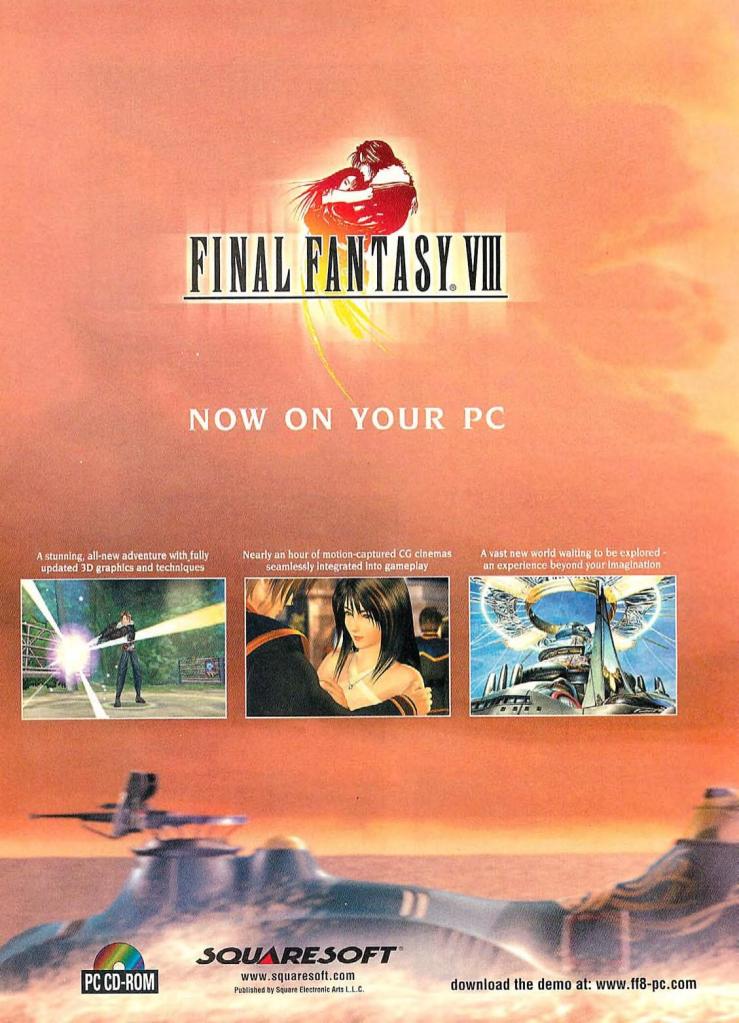
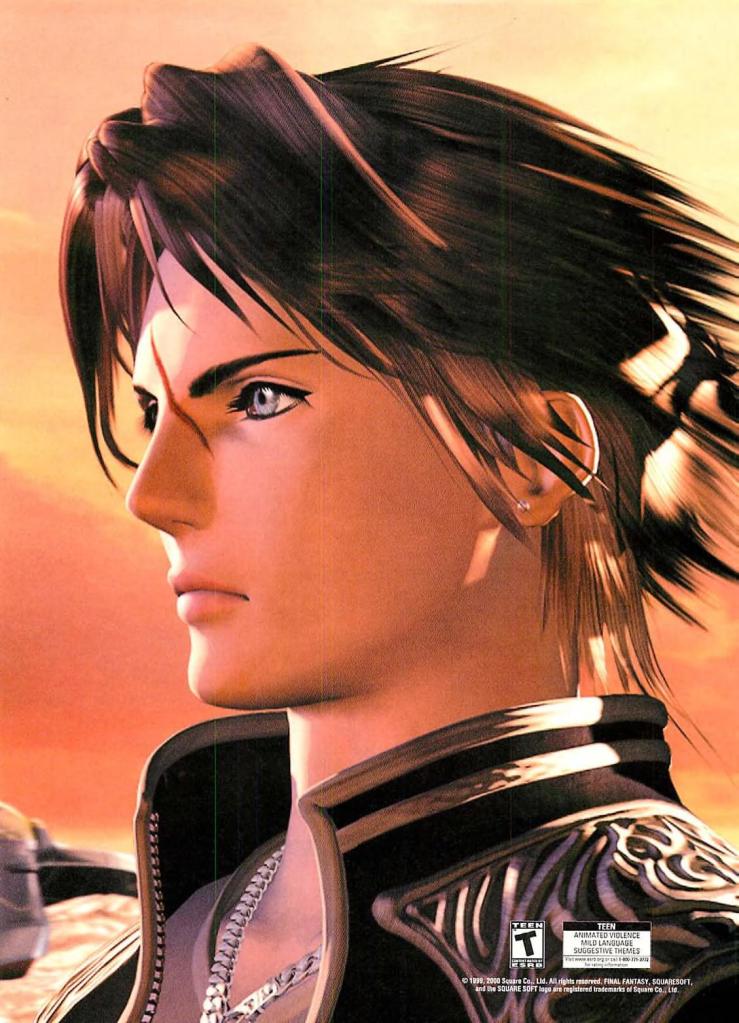
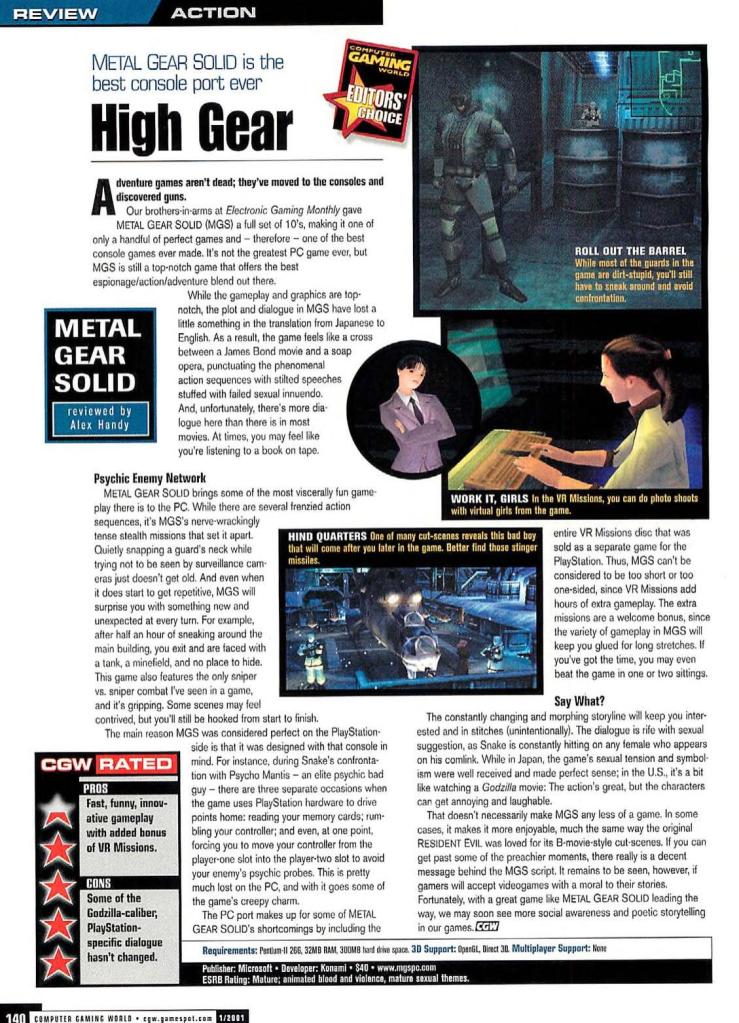
Source: Game Informer No. 93 (January 2001)Source: Game Informer No. 93 (January 2001)Following Final Fantasy VII (Squaresoft, 1997), Final Fantasy VIII (Squaresoft, 1999) would be the second Final Fantasy title to be ported to Windows. See also: Computer Gaming World No. 167(June 1998). Source: Computer Gaming World No. 186 (January 2000).Source: Computer Gaming World No. 198 (December 2001)
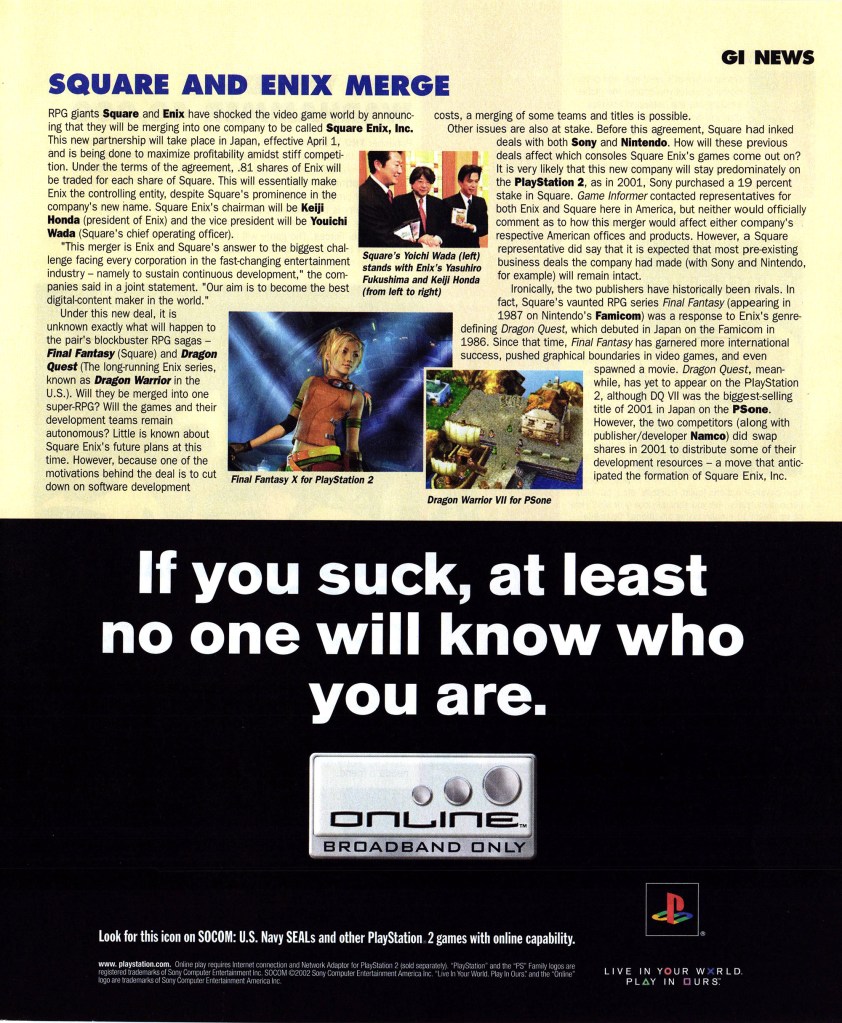
“Square and Enix Merge:” By the early 2000s, to contend with the fallout of the financial crisis, major Japanese companies in the games industry began to emerge. This included Namco and Bandai and later, Koei and Tecmo. It is perhaps the merger of Square and Enix that had the biggest impact on JRPGs, bringing Japan’s two biggest RPG franchises, Dragon Quest and Final Fantasy under a single company. Source:Game Informer No. 117 (January 2003)
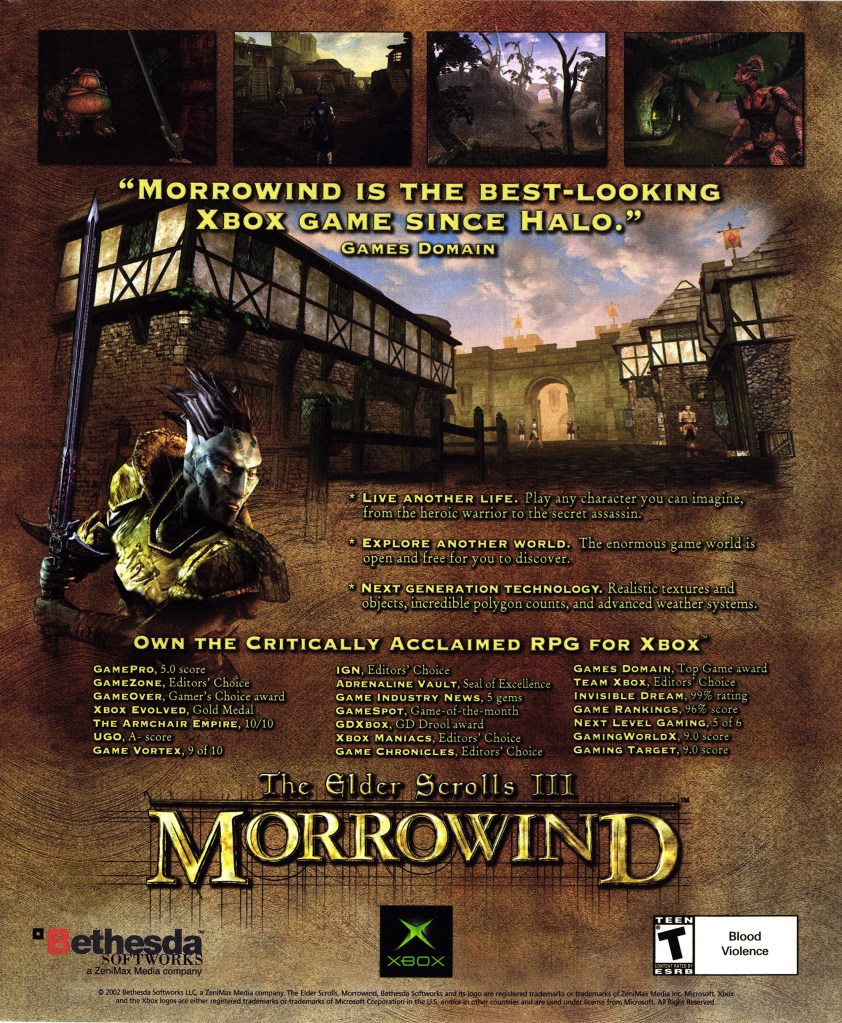
An advertisement for The Elder Scrolls III: Morrowind (Bethesda, 2002).To understand the shift in how Japanese games were discussed in North America, it is necessary to also understand the impact that Microsoft’s entry into the console market had. With the arrival of the XBOX home console, Microsoft helped popularize Western Role-Playing Games outside of the PC ecosystem. Morrowind established the foundation for later WRPGs to be released on consoles, including The Elder Scrolls IV: Oblivion (Bethesda, 2006), Mass Effect (BioWare, 2007), Fallout 3 (Bethesda Game Studios, 2008), and The Witcher 2: Assassins of Kings (CD Projekt Red, 2011). Japanese developers such as Square Enix would later take notice of the success of these games and attempt to incorporate their influence as a means to court Western markets. Source: Game Informer No. 117 (January 2003)
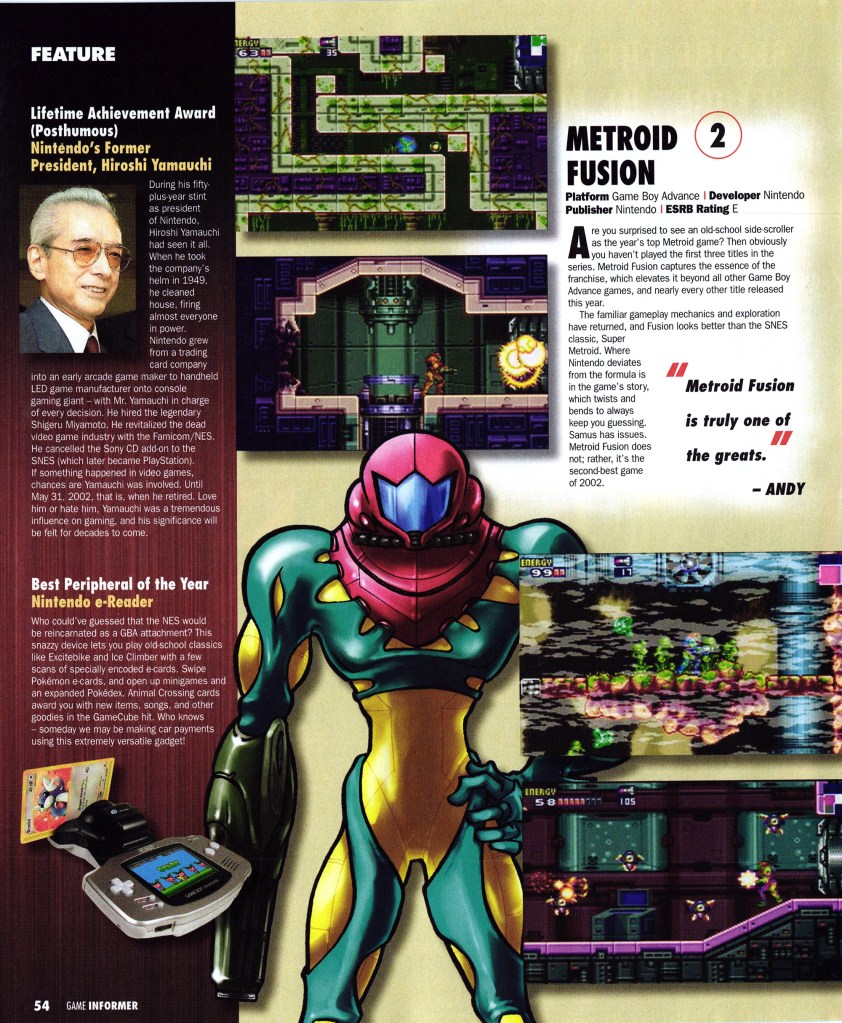
Former President of Nintendo, Hiroshi Yamauchi receives Game Informer‘s posthumously receives the magazine’s Lifetime Achievement award. Source: Game Informer No. 117 (January 2003)
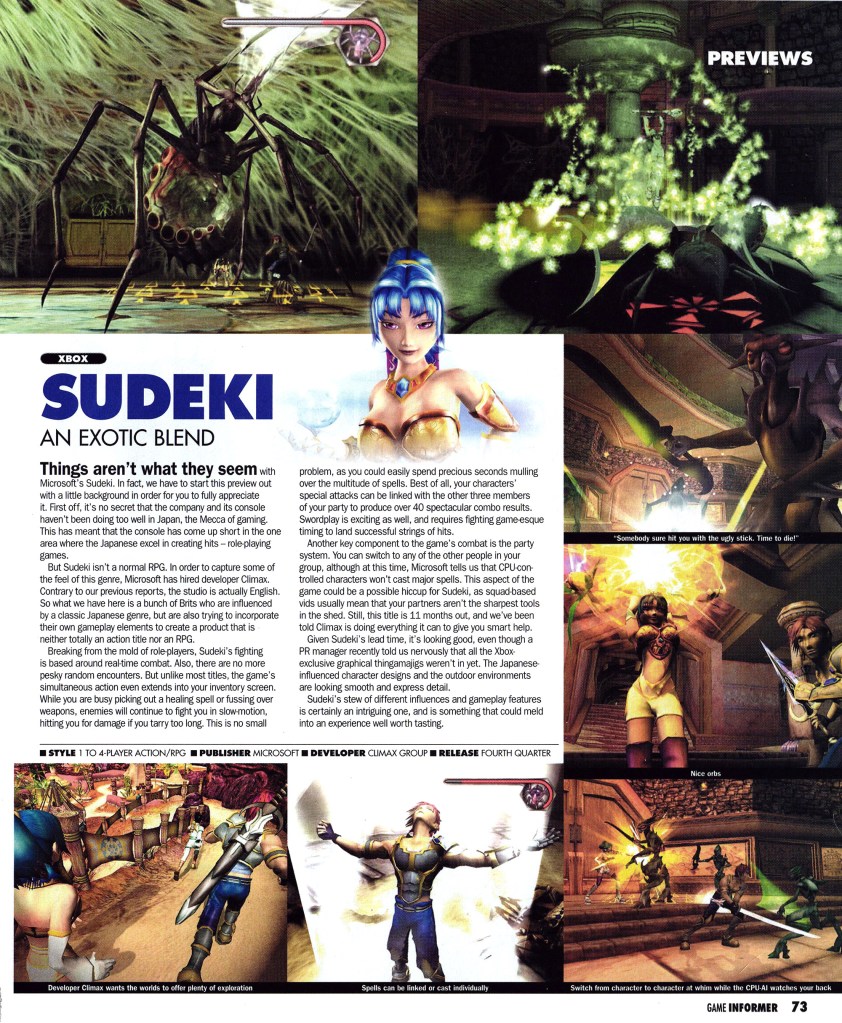
Source: Game Informer No. 117 (January 2003)
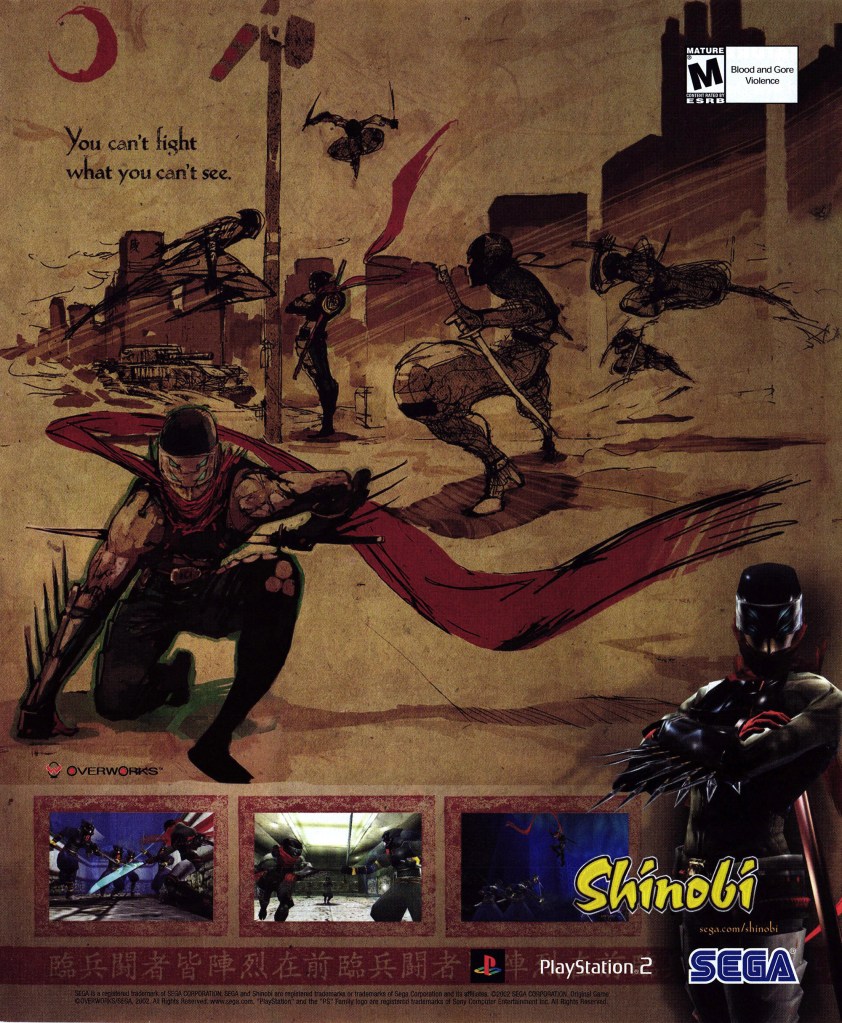
Shinobi (Overworks, 2002). Source: Game Informer No. 117 (January 2003)
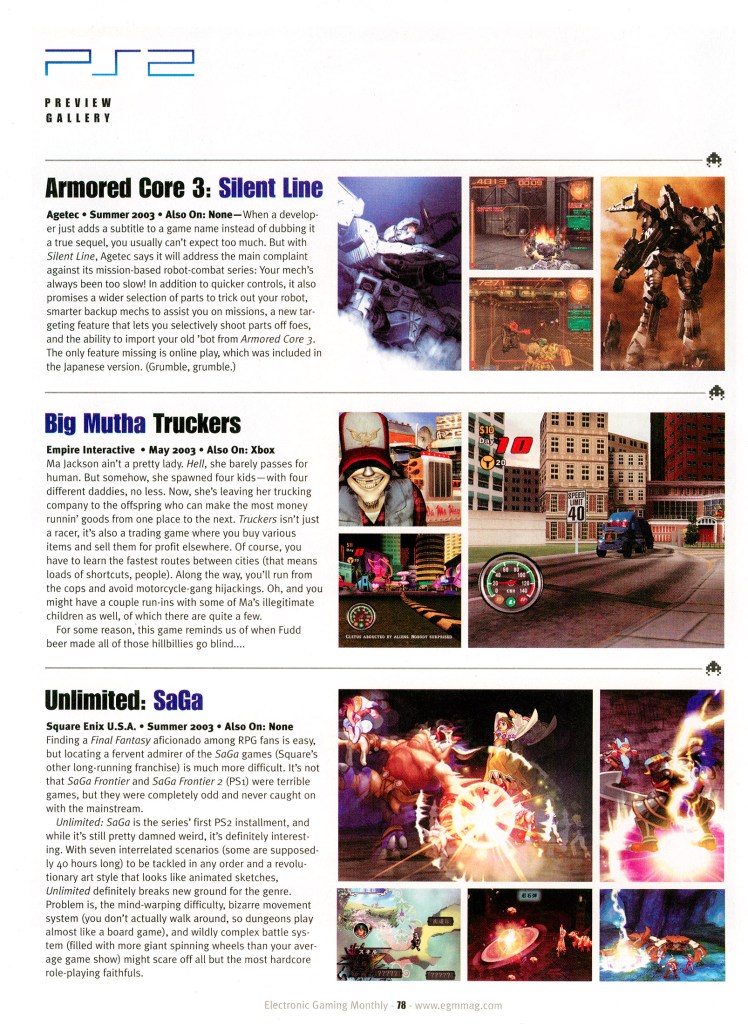
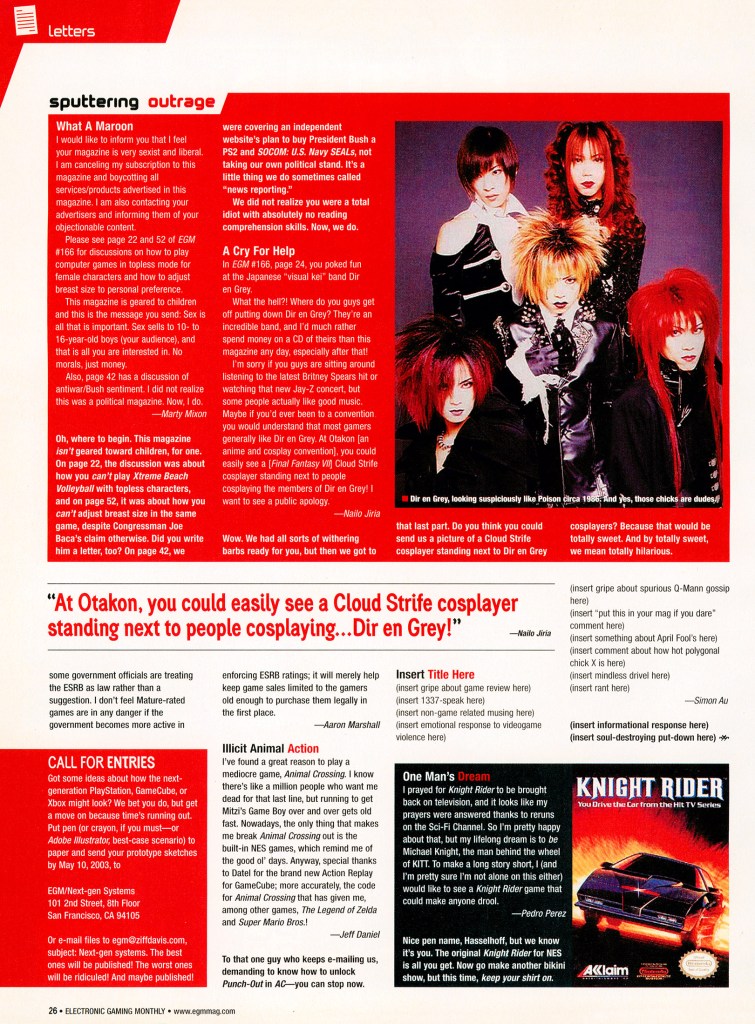
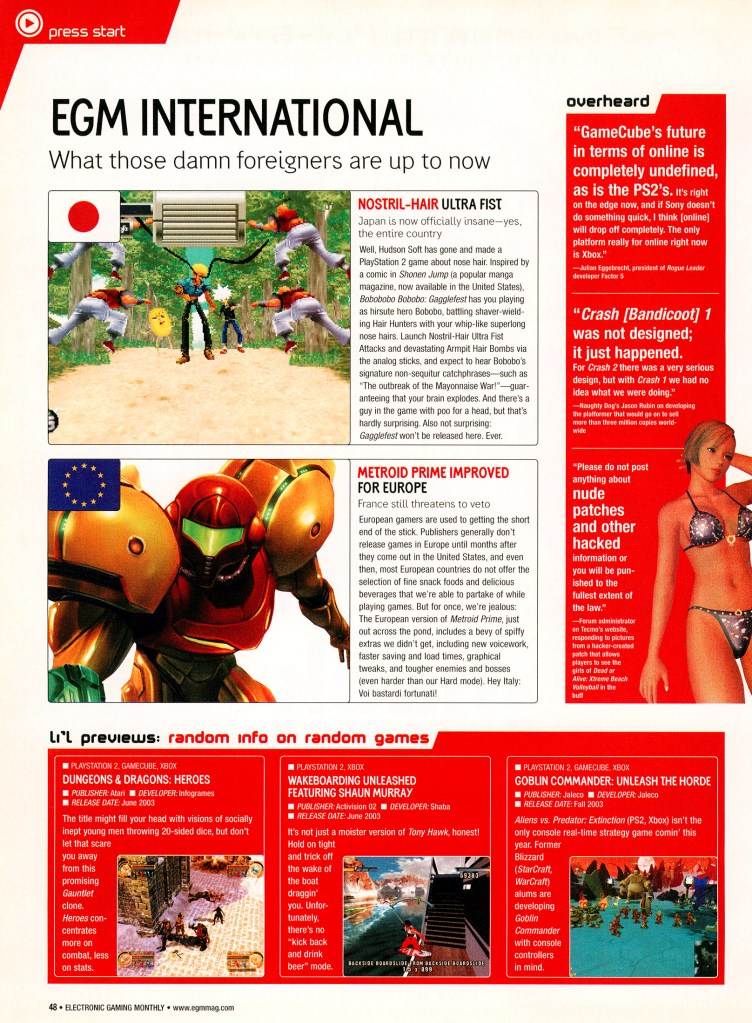
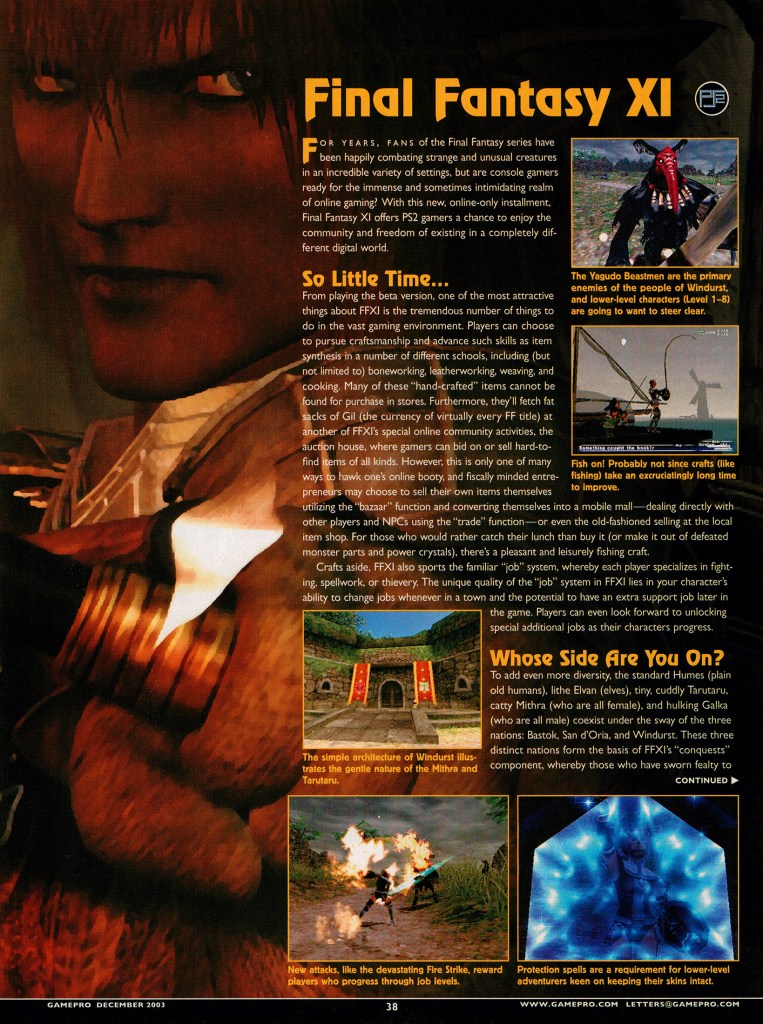
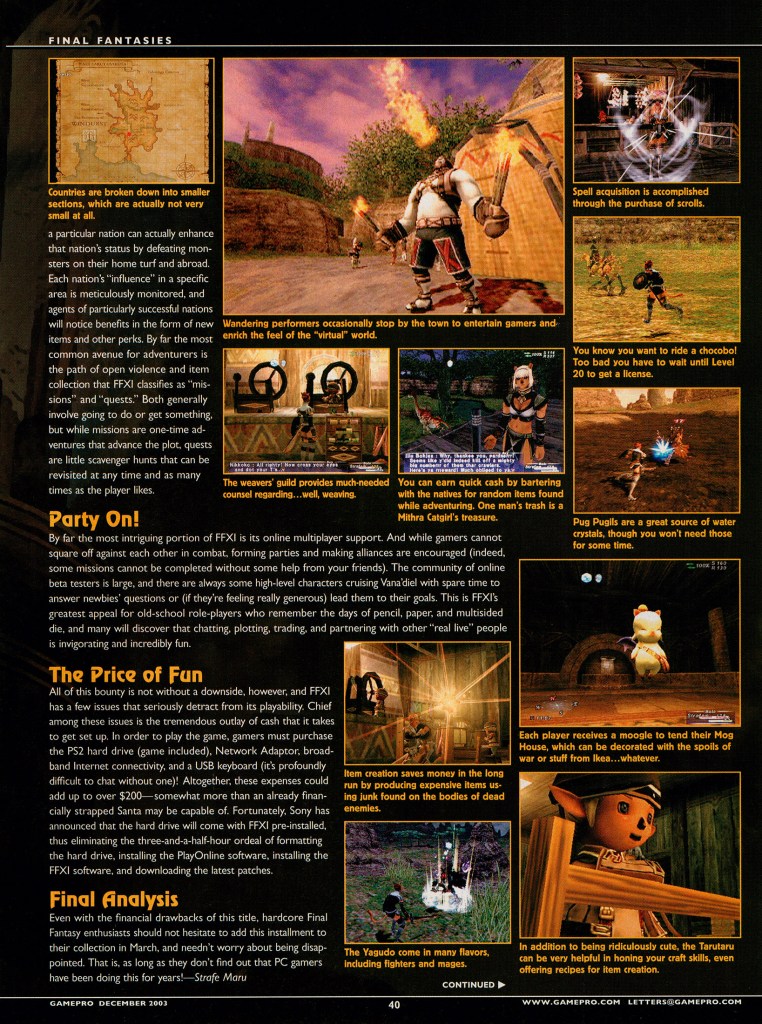
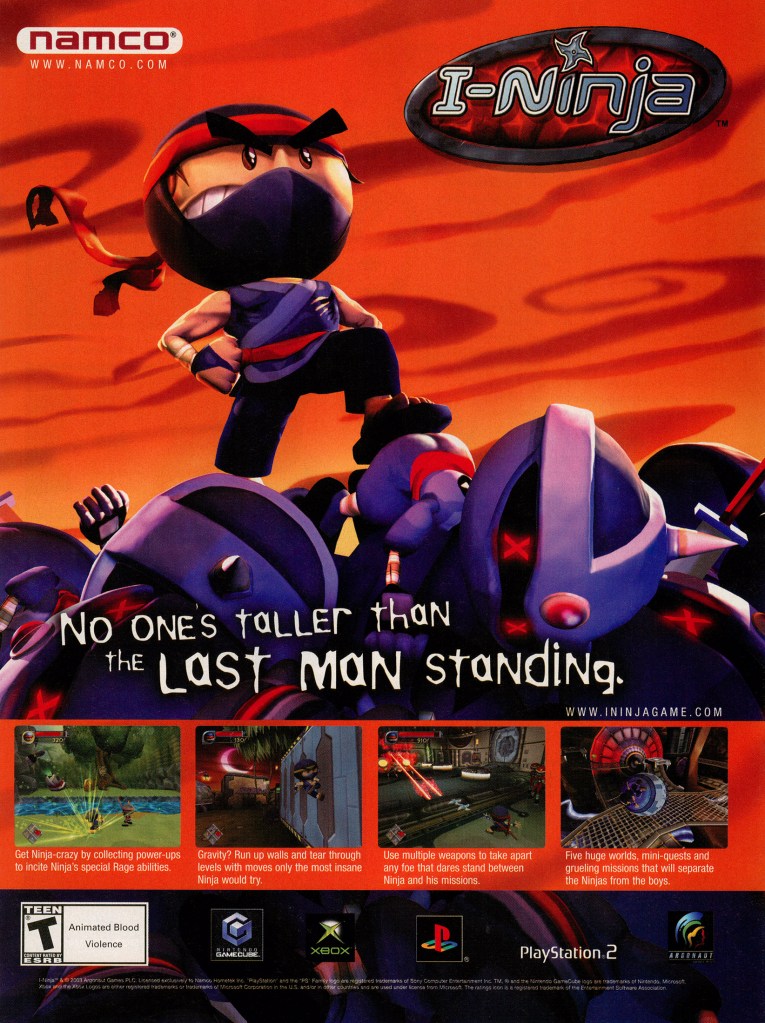
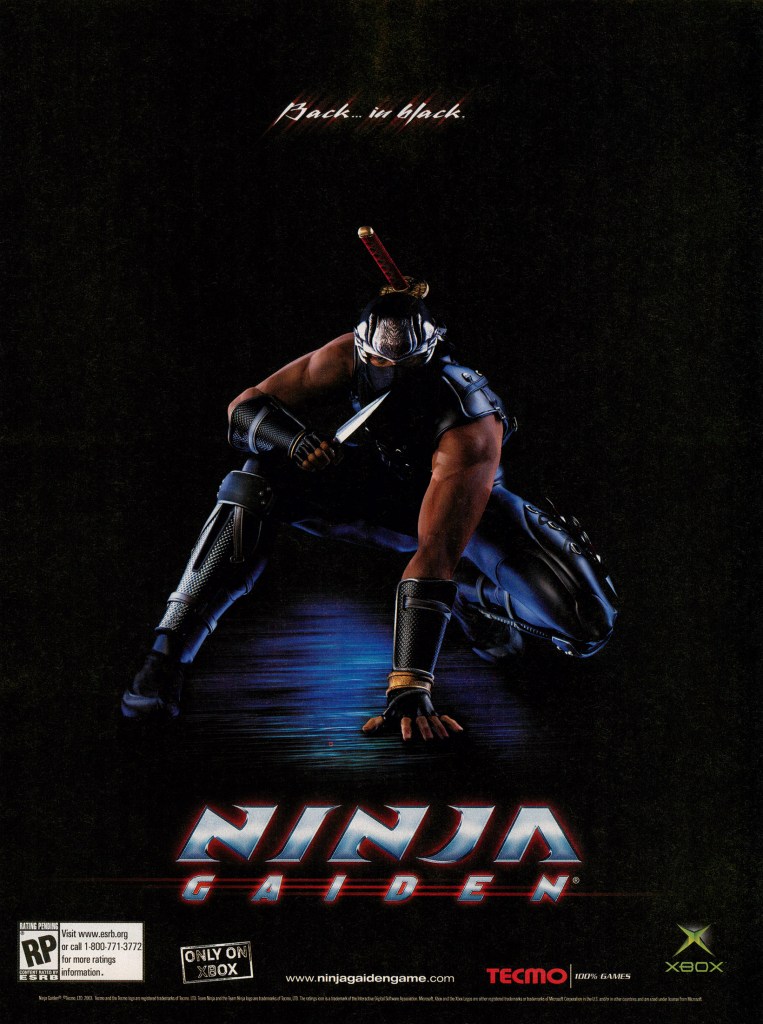
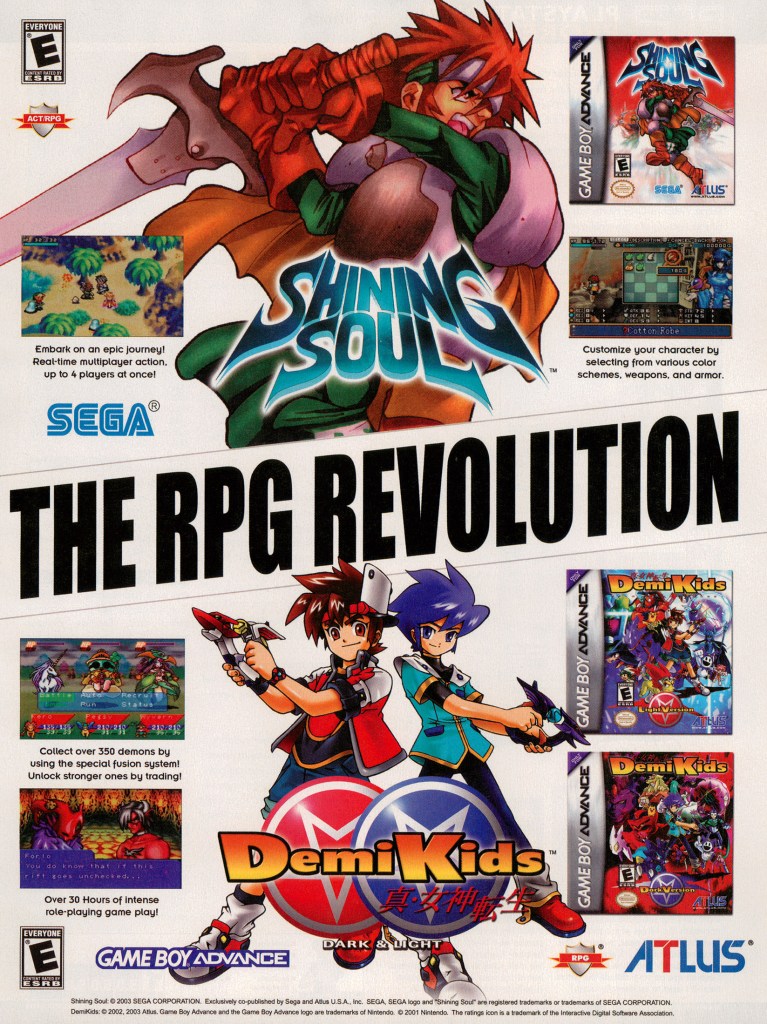
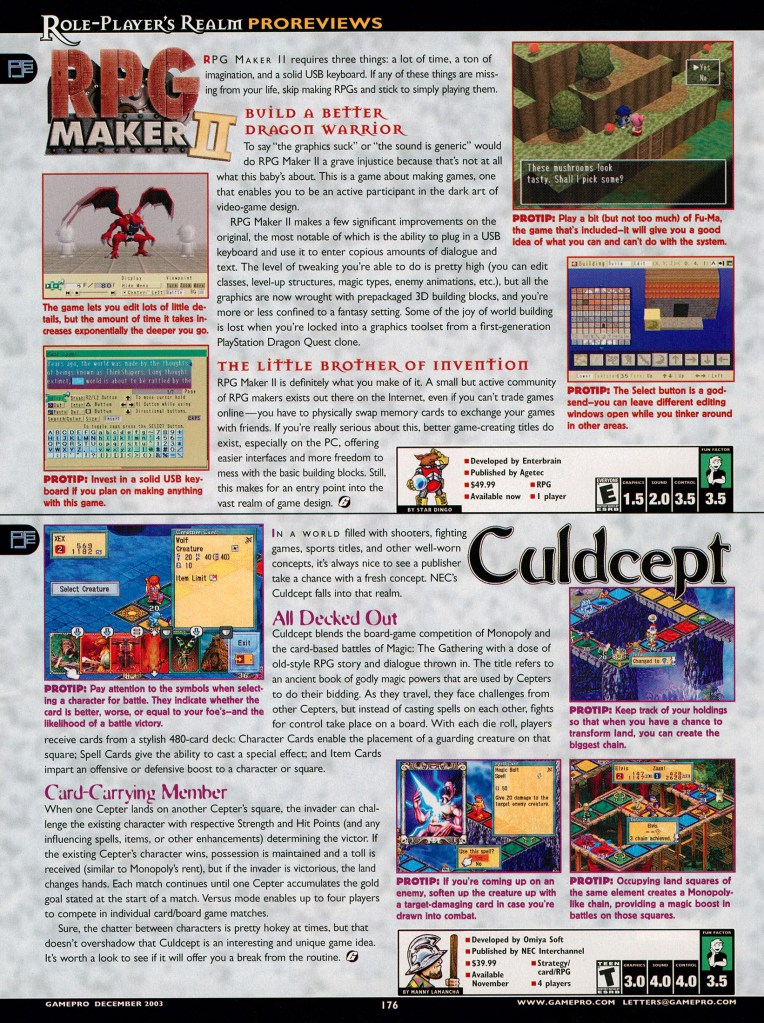
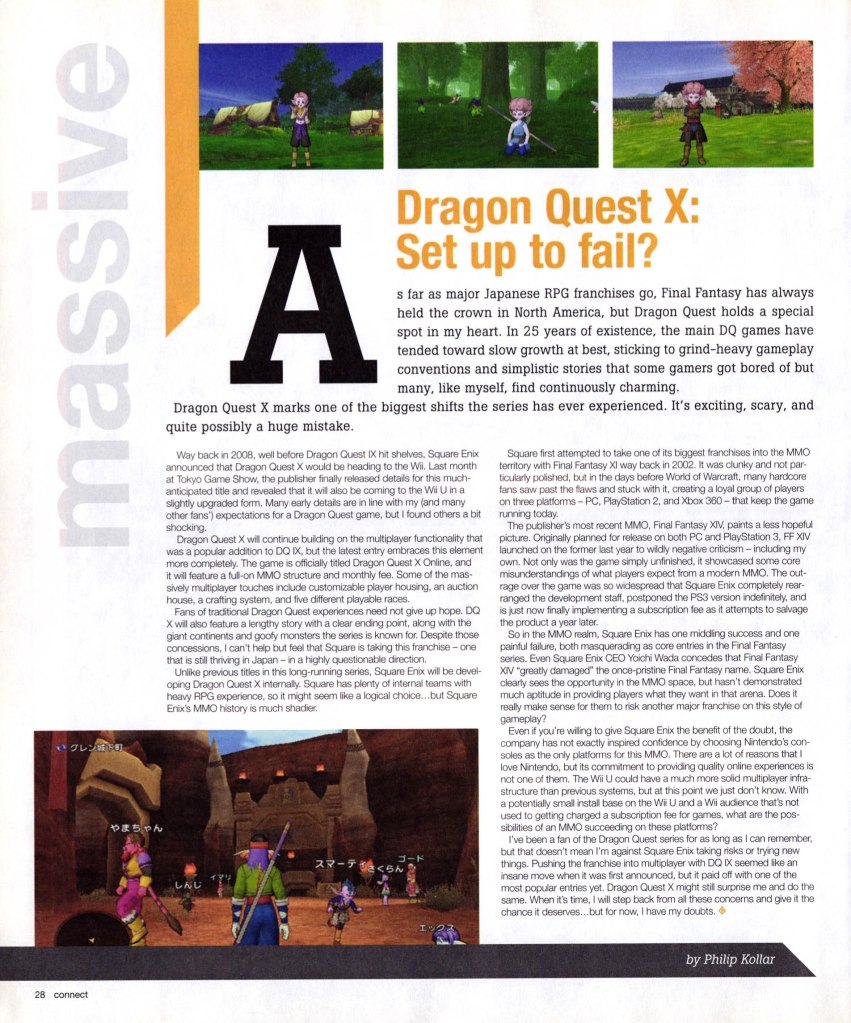
Source: Electronic Gaming Monthly No. 166 (May 2003)Source: Electronic Gaming Monthly No. 166 (May 2003)“Sputtering Outrage”: An argument ensues between the staff of EGM and their readership with one reader having taken offense with comments EGM made towards the Japanese band Dir en Grey. Dir en Grey are one of Japan’s most prominent “visual kei” bands, a genre of music that emphasizes an androgynous fashion style. Of course, Cloud too is part of the “bishōnen” archetype, otherwise known as “pretty boys.” Source: Electronic Gaming Monthly No. 167 (June 2003)“EGM International”: EGM’s international column switches its focus from just Japan to now include Europe. The entirety of Japan is deemed “insane” because of the premise of Bobobo-bo Bo-bobo, a shōnen manga adapted into a video game in which the hero must use his hair-based superpowers to defeat an evil organization that seeks to make the world bald. Source: Electronic Gaming Monthly No. 167 (June 2003)Source: Electronic Gaming Monthly No. 168 (July 2003)Source: Electronic Gaming Monthly No. 168 (July 2003)Source: Game Pro No. 183 (December 2003)I-Ninja (Argonauts, 2003). Source: Game Pro No. 183 (December 2003)Ninja Gaiden (Tecmo, 2004). After seeing no new releases for a decade, Tecmo rebooted the Ninja Gaiden franchise under the direction of Tomonobu Itagaki who had cut his teeth with the company’s successful fighting game franchise, Dead or Alive. This new Ninja Gaiden would be a 3D-action game as opposed to a 2D side-scroller but like its predecessors, its difficulty would become notorious. Source: Game Pro No. 183 (December 2003)Although Atlus maintained a minor presence in the U.S. during the 1990s, they gradually increased their North American presence as both a developer and publisher. Source: Game Pro No. 183 (December 2003)A review of RPG Maker II (Kuusou Kagaku, 2002)and CuldceptSecond (OmiyaSoft, 2001). RPG Maker II is part of a long-running series now that gives players the tools to develop their own RPGs. What was released in North America as “Culdcept” was actually the second title in the franchise, Culdcept Second. In Japan, the game followed the wave of popular card-based games such as Monster Maker (Ginichiro Suzuki, 1988) and Magic the Gathering (Richard Garfield, 1993). Source: Game Pro No. 183 (December 2003)Airing on Cartoon Network’s late-night programming block, Adult Swim, Bleach, alongside One Piece and Naruto, would come to represent the new vanguard of Japanese shōnen in the United States. Source: Game Informer No.176 (December 2007)
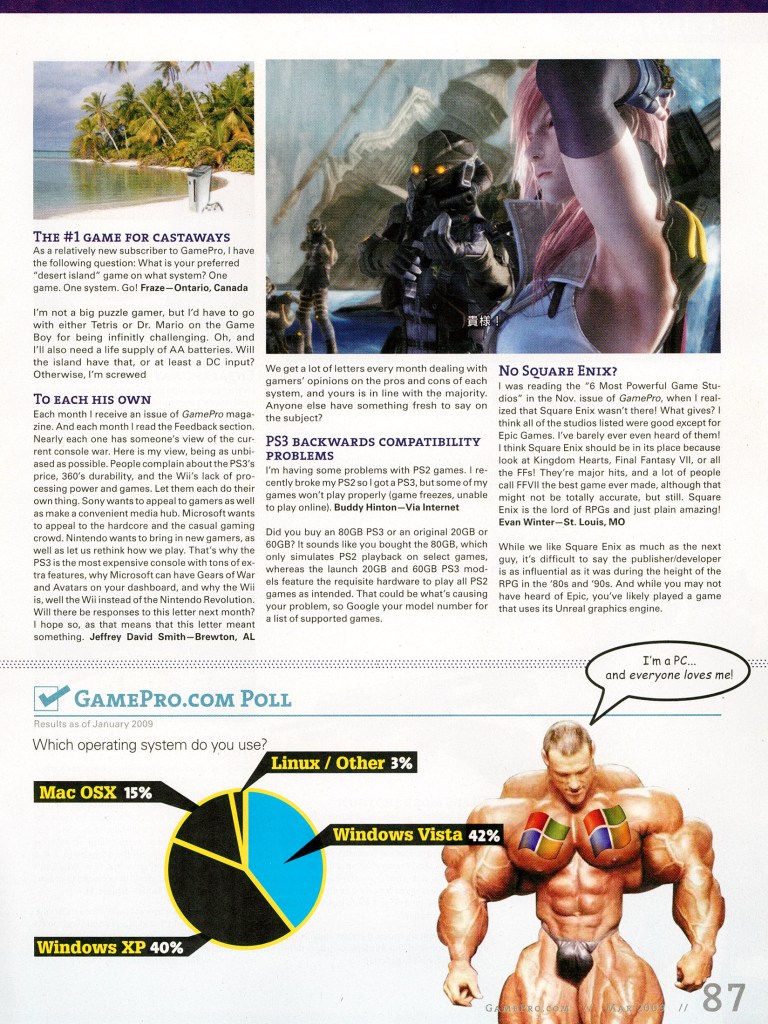
Source: Game Pro No. 246 (March 2009)
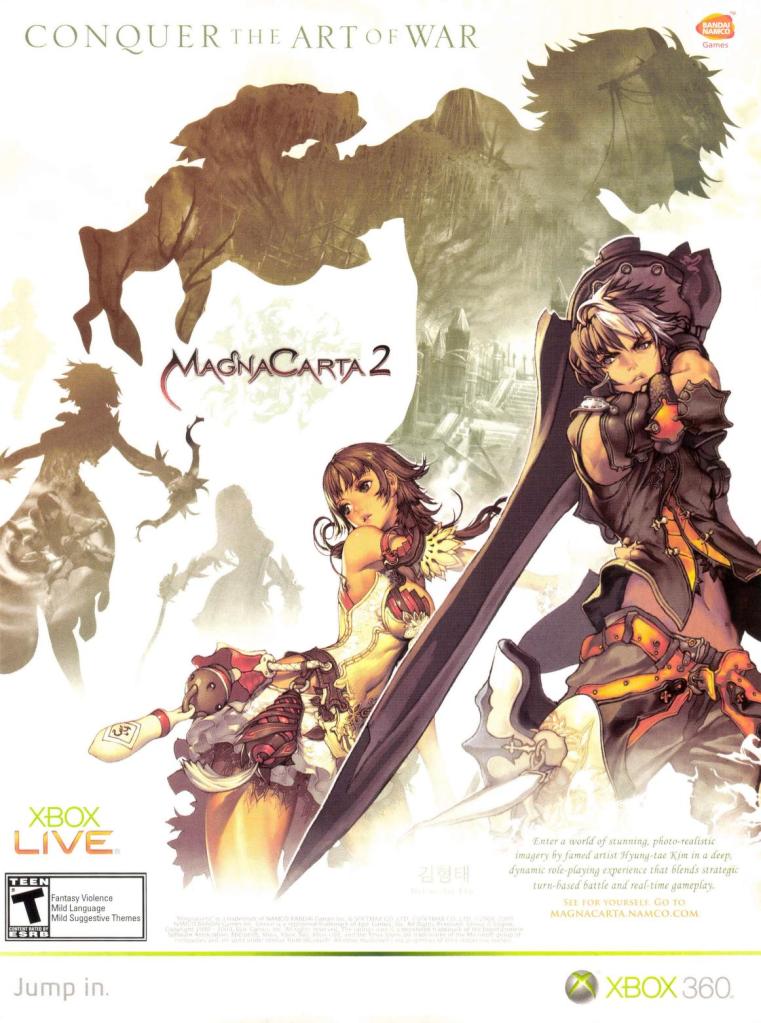
Source: Game Pro No. 254 (November 2009)
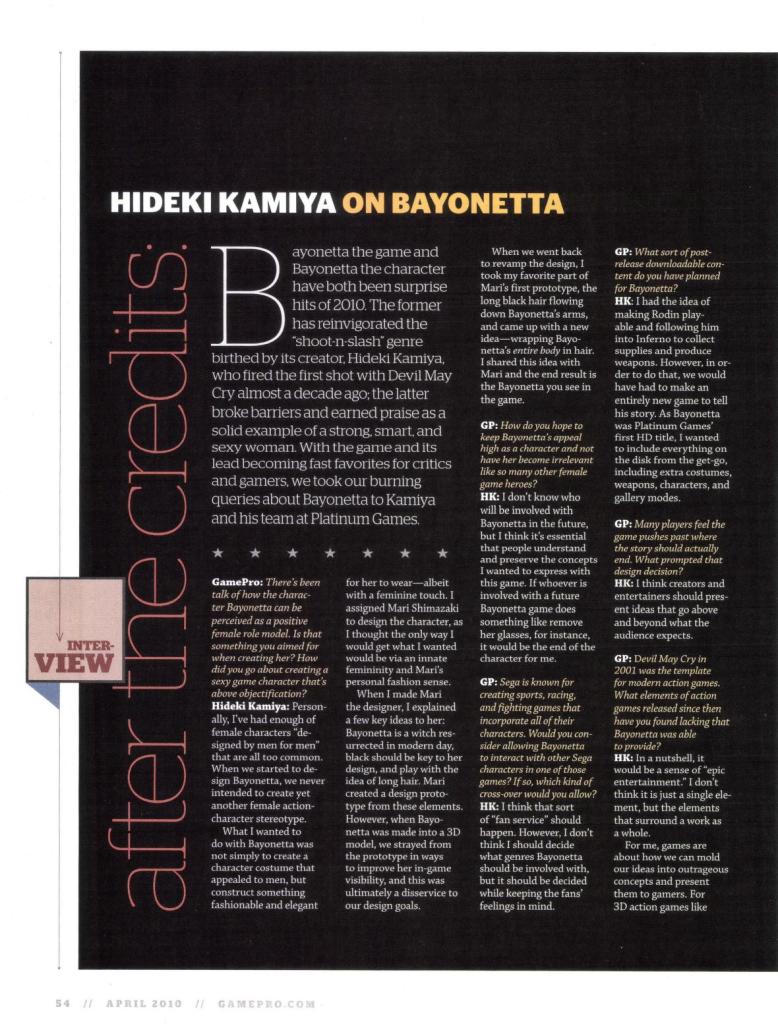
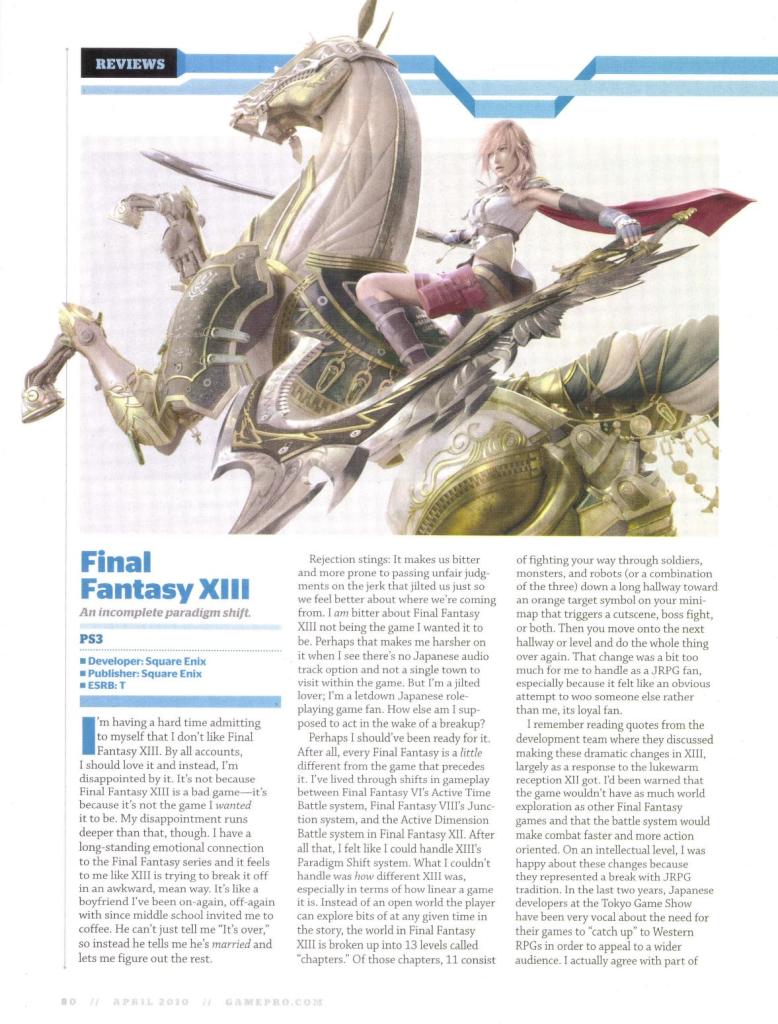
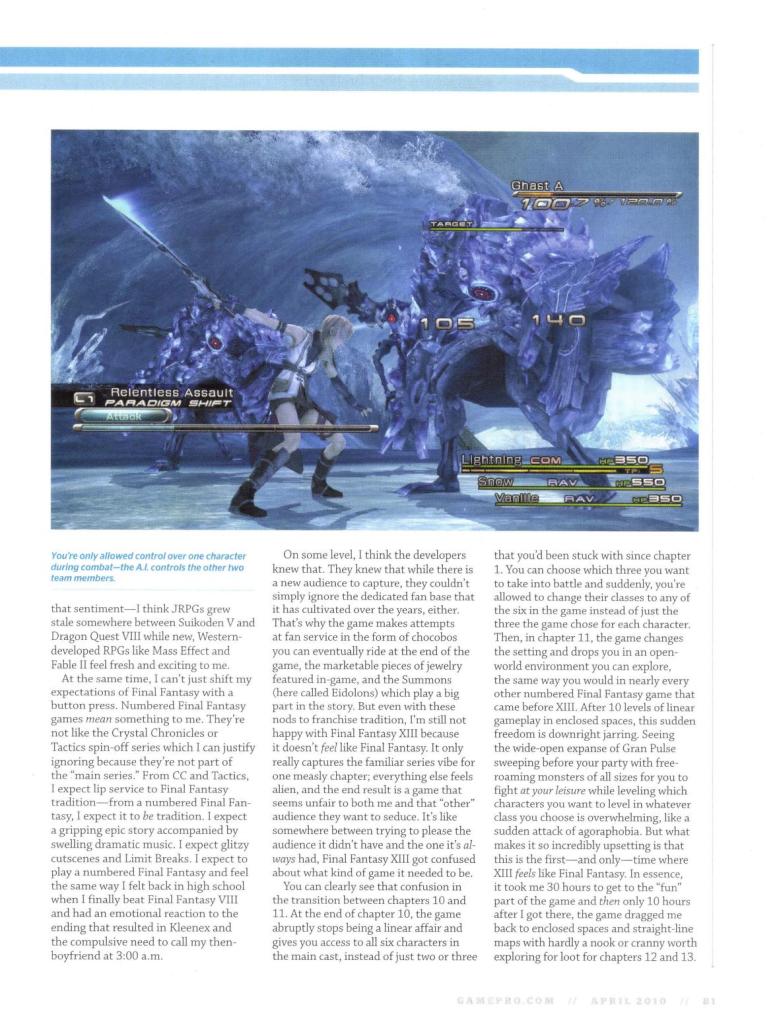
Source: Game Pro No. 259 (April 2010)Source: Game Pro No. 259 (April 2010)Source: Game Informer No. 224 (December 2011)Source: Game Informer No. 271 (November 2015)










 SPL9
SPL9 